

The "Drainage Disaster": Why Your Concrete Patio is Pooling Water This March
Concrete Champs Champaign • March 2, 2026
Why Your Patio is Pooling Water
If you have spent any time walking through neighborhoods in Champaign-Urbana this week, you have likely noticed a common theme: the ground is holding onto water for dear life. As our local frost finally begins to release its grip on the soil, we are seeing the classic "March thaw" in full effect. It is that time of year when your backyard transforms into a minor lake, and if you have a concrete patio, you might be looking at a frustrating puddle that just won't go away. At Concrete Champs Champaign, we get more calls in March about "ponding" than almost any other issue. It is a common problem, but it is one you should take seriously.
The first thing to understand is that concrete is supposed to be the "dry zone" of your backyard. When you step out onto your patio, you expect to keep your socks dry and your shoes clean. When that water pools up, it is not just a nuisance; it is a sign that your patio is fighting a losing battle against the lay of the land. In our part of Illinois, we deal with incredibly heavy clay soil. This isn't the light, sandy soil you find in some coastal regions. Our clay acts like a sponge that has been wrung out but is still damp. When the snow melts, the water doesn't just disappear into the ground; it looks for the path of least resistance. If your patio
isn't perfectly graded, that path of least resistance is right on top of your concrete.
It is easy to blame the weather, but the truth usually lies in how the concrete was installed years ago. A properly poured patio needs a slight pitch—a subtle slope that directs water away from your home’s foundation
and off the surface of the slab. Even a drop of one-quarter inch per foot is often enough to keep a surface dry. When that pitch is off, or if the soil underneath the slab has shifted over the winter, you end up with a "low spot." These low spots are where the "drainage disaster" begins. March is the perfect time to identify these issues because the rain and melting snow reveal the geography of your backyard better than any blueprint ever could.
You might be asking why a puddle is such a big deal. After all, it will eventually evaporate when the sun finally stays out for more than an hour, right? While that is true, leaving standing water on your concrete for weeks at a time is a recipe for long-term failure. Remember, concrete is porous. When water sits on the surface, it isn't just hanging out; it is constantly trying to seep into the slab. When the temperature drops on those chilly March nights, that water becomes a hidden threat, freezing and expanding inside the concrete. Over time, this cycle creates pitting, spalling, and cracks
that eventually spiderweb across the surface. If you ignore the puddle this March, you are essentially paying for a more expensive repair bill in two years.
There is also the matter of your home’s health. Your patio is usually poured right up against the house. If that patio is holding water, it is pressing that moisture against your foundation. You do not want that. Your foundation is already dealing with the pressure of saturated clay soil, and adding a pool of water at the threshold only increases the risk of water finding its way into your basement or crawl space. A patio should be a shield, not a trap. If yours is trapping water against the structure, you need to address it before the heavy spring rains of April and May arrive.
So, what should you do if you look out your back door today and see a puddle covering a corner of your patio? First, don't panic. You don't necessarily need to tear the whole thing out and start over. Sometimes, the solution is as simple as improving the landscaping around the edge of the slab. We have seen many cases where a "drainage disaster" was actually caused by a build-up of mulch or overgrown grass that created a dam, preventing water from flowing away into the yard. Clear that debris away, and sometimes the water starts moving again. If that doesn't work, it may be time to call in a professional to check the actual pitch of the slab.
We sometimes use a process called mudjacking
to address these issues. If a slab has settled, we can lift it back to its original, correct slope without the mess and expense of a full tear-out. It is a precise, surgical way to fix the problem and get the drainage back where it belongs. It is also a lot faster than pouring a new patio, which is great if you want to be ready for the first backyard cookout of the year.
The "drainage disaster" is a reality of life in Central Illinois, but it doesn't have to be your reality. As we move into the heart of March, keep a close eye on your concrete. If you see water pooling, take note of where it’s going and how long it stays there. If it’s hanging around for more than 24 hours after the rain stops, that’s your signal to reach out for a consultation. At Concrete Champs Champaign, we look at every project through the lens of longevity. We aren't just looking at how the concrete looks today; we are thinking about how it will handle the next ten years of Illinois winters. A dry patio is a happy patio, and making sure your concrete is sloped correctly is one of the best ways to ensure you can enjoy your backyard without constantly checking the weather report. Let’s get that drainage sorted out now so you can spend the rest of the spring doing exactly what you want to do: relaxing in your own backyard.
-Concrete Champs Champaign
You might also like
Concrete Champs Champaign Blog
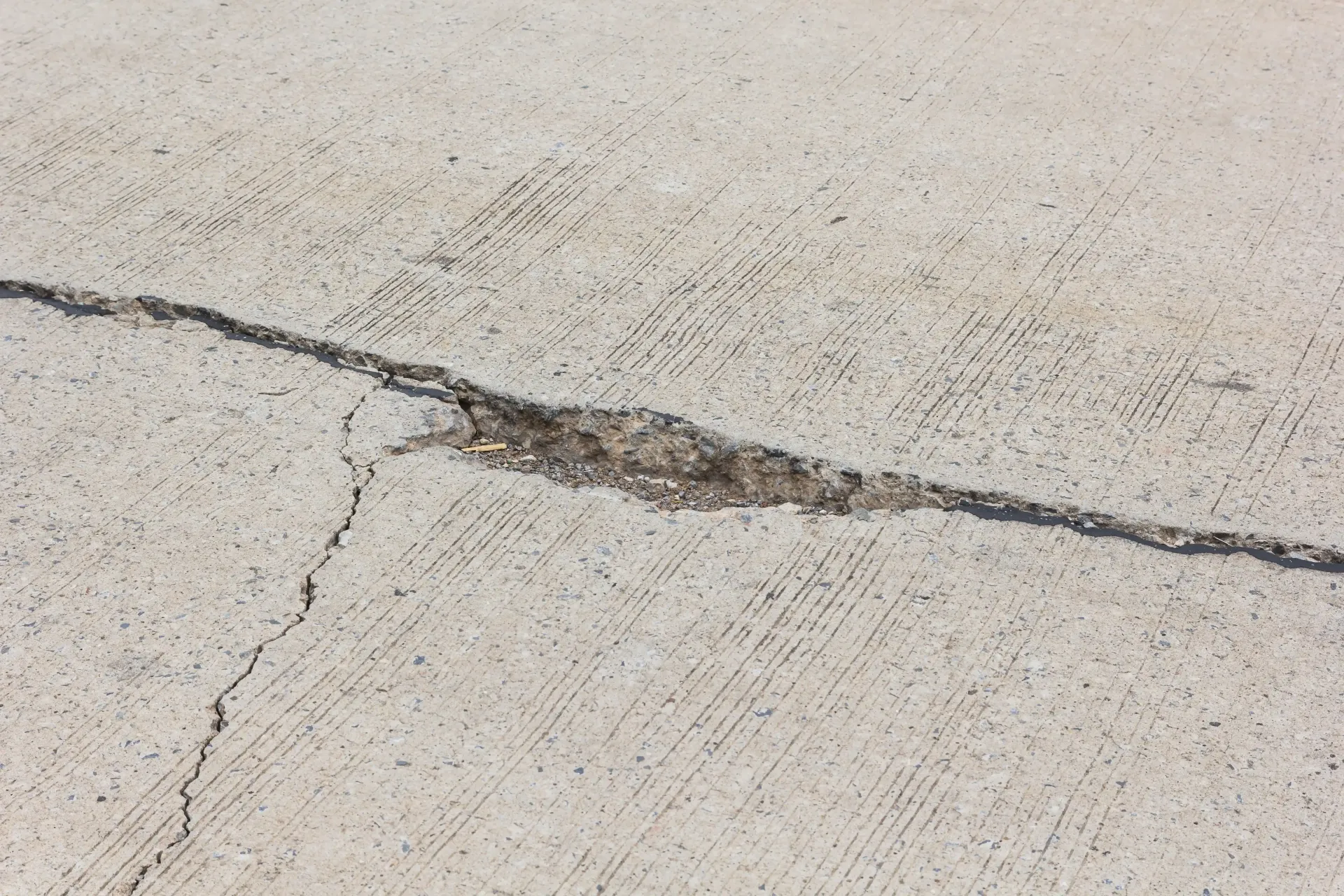
Discover why store-bought DIY concrete fillers fail during Champaign's harsh winter freeze-thaw cycles and how professional routing and sealing protects your driveway.
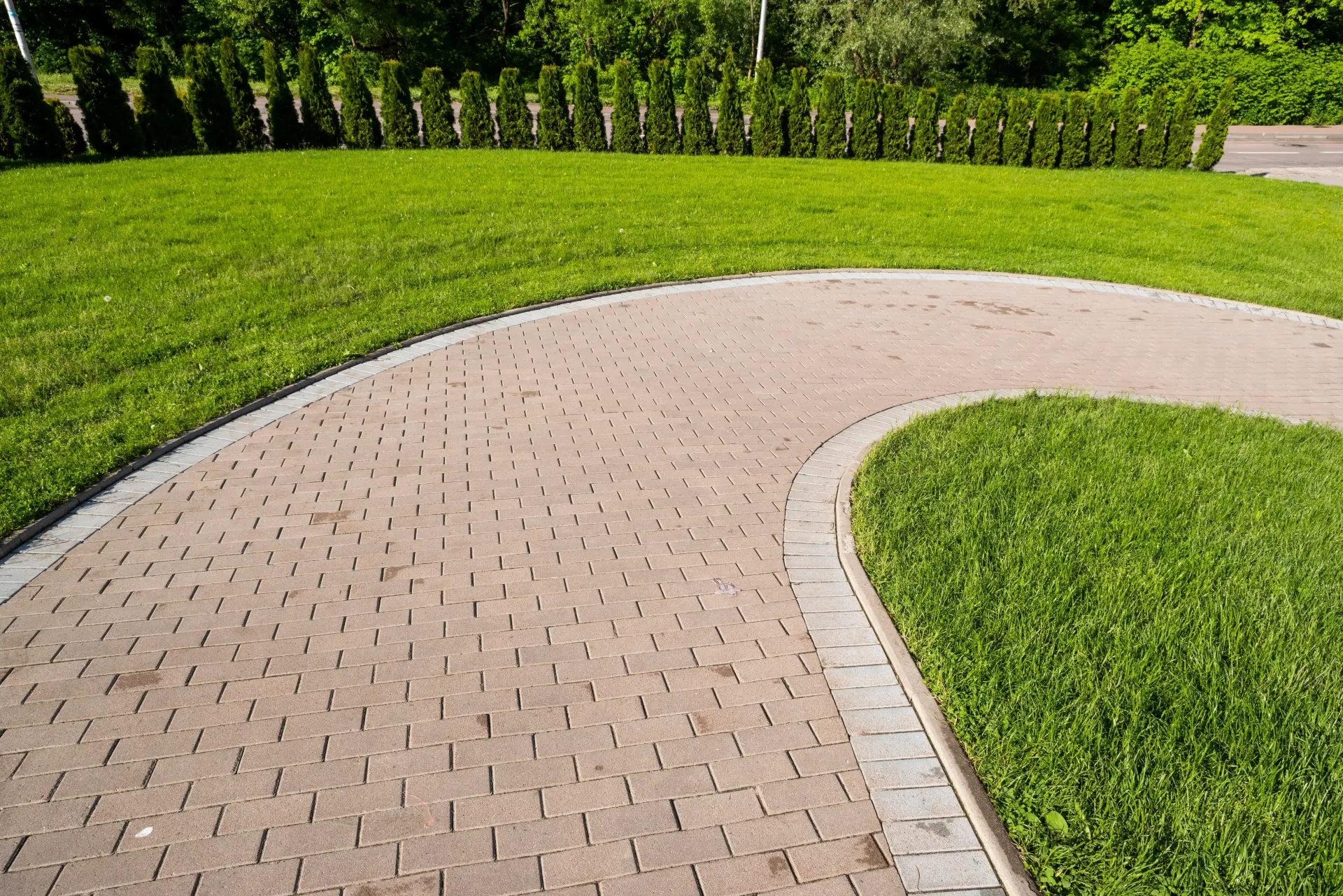
Tired of tracking Illinois mud into your house? Discover how strategic concrete walkways can protect your landscaping, save your carpets, and eliminate "mud highways" in your backyard this spring.
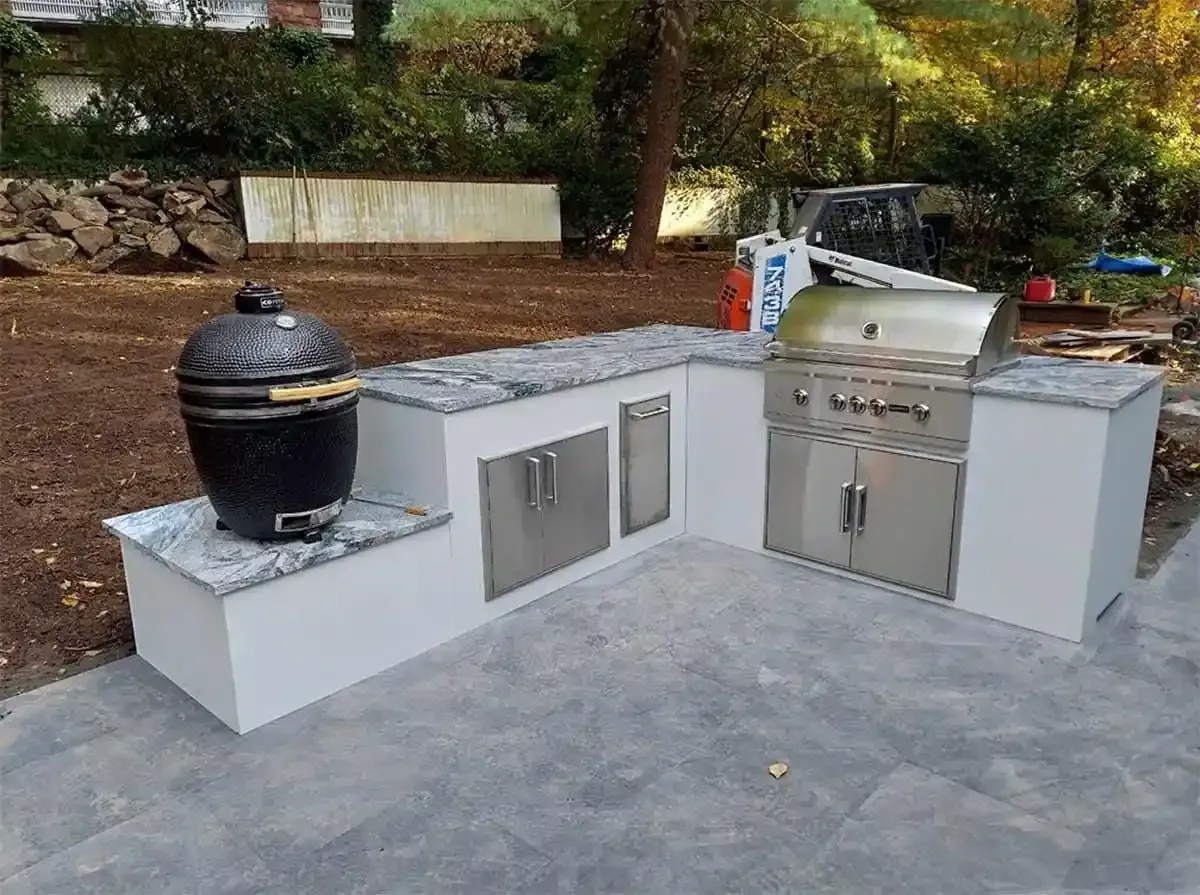
Planning a luxury outdoor kitchen in Champaign, IL? Don’t let a heavy grill sink your stone patio. Learn why a reinforced concrete foundation and proper drainage are the "secret ingredients" to a backyard that lasts.