

The "New Driveway" Survival Guide: What to Expect During (and After) Your Pour
Concrete Champs Champaign • March 16, 2026
All You Need To Know For Your New Driveway
So, you’ve finally decided to pull the trigger and replace that crumbling, oil-stained driveway that has been an eyesore since the last Illinois blizzard. This is a huge win for your home’s curb appeal and your own peace of mind. But let’s be real: having a construction crew take over your front yard can feel a little bit like controlled chaos if you don’t know what to expect. At Concrete Champs Champaign, we believe that the best projects start with a clear playbook. You aren't just buying a slab of rock; you are inviting a process onto your property. To help you navigate the transition from "cracked mess" to "smooth success," we’ve put together this survival guide for what actually happens during and after your new driveway is poured.
The first thing you’ll notice is that the "demo day" is usually the loudest and messiest part of the process. In a town like Champaign, where many driveways
have been sitting for thirty or forty years, that old concrete has deep roots. Our crew will come in with heavy machinery to break up the old material and haul it away. You can expect some noise, some dust, and a lot of activity. The key thing to remember during this stage is that your driveway will look significantly worse before it looks better. For about 24 to 48 hours, you’ll have a dirt and gravel pit where your car used to live. This is the stage where we are tackling the "sub-base"—the most important part of the job that you will never see. We are leveling the ground, adding the necessary gravel, and compacting it to ensure that the heavy Illinois clay doesn't shift and ruin your new investment.
Once the prep work is done, you’ll see the "skeleton" of your new driveway take shape. This is the framing stage. We use wooden forms to outline exactly where the new concrete will go. If you’ve decided to widen your driveway or add a decorative curve to match your landscaping, this is where that vision becomes a reality. We also install reinforcement—usually rebar or wire mesh—to give the concrete the internal strength it needs to handle the weight of your vehicles. This is a great time for you to take a look and make sure the "shape" of the project is exactly what you discussed during the estimate. Once the truck shows up, there is no "undo" button!
The "Big Pour" is when the magic happens. A massive mixer truck will pull up, and our team will work with high-energy precision. Concrete is a living material; it has a "clock" that starts ticking the moment it’s mixed. Our crew moves fast to spread, level, and smooth the wet mix. This is usually the part where the neighbors start gathering on the sidewalk to watch. It’s a fascinating process, but we always ask that you keep the kids and the pets inside. A stray paw print or a "John loves Mary" heart scratched into the wet cement might seem cute now, but it’s a permanent structural weakness that you’ll regret in five years.
After the concrete is leveled, we apply the finish. Most Champaign homeowners opt for a "broom finish," which involves pulling a specialized broom across the surface to create tiny ridges. This provides the traction you need when our winters turn the world into a skating rink. Once the finish is on, we apply a curing compound. This is a critical chemical layer that helps the concrete retain its moisture so it cures slowly and evenly. If concrete dries too fast—which can happen on a windy Illinois afternoon—it becomes brittle. The curing process is what ensures your driveway is a "Champ" for the long haul.
Now, let’s talk about the part that requires the most patience: the "waiting period." This is the most common point of friction for homeowners. Your driveway
will look dry within a few hours. You might even see a neighbor walk their dog across it the next morning. However, "dry" and "cured" are two very different things. For the first 24 to 48 hours, you should keep everyone—including yourself—off the concrete. Footprints can still happen, and bike tires can leave permanent ruts.
The real test is the "Vehicle Rule." At Concrete Champs, we generally recommend waiting a full seven days before you drive a standard car or SUV onto the new slab. Concrete reaches about 70% of its structural strength in the first week, but it takes nearly a month to reach full capacity. If you have a heavy work truck or a large delivery coming, we suggest waiting even longer—ideally 14 to 21 days. Driving a heavy vehicle on "green" concrete can cause invisible internal cracks that will eventually turn into major problems. It’s worth the week of parking on the street to ensure thirty years of a perfect driveway.
Finally, after the crew has left and the forms are pulled, you might notice the edges of your yard look a little rough. That’s a normal part of the process. We have to dig slightly wider than the driveway
to set the forms. Most homeowners use this as an opportunity to refresh their lawn or add some new mulch. This is also the perfect time to think about your first seal. While we apply a curing sealer
during the pour, we often recommend a high-quality protective sealer a few months later once the concrete has fully breathed and settled.
Surviving a driveway replacement is all about managing expectations. You’re going to have a few days of noise, a week of parking on the curb, and a lifetime of improved property value. It’s a trade-off that is well worth it. When you work with a team that knows the local soil and the specific needs of Champaign-Urbana homes, you aren't just getting a new driveway; you’re getting a professional partner who makes sure the "survival" part of the guide is as easy as possible.
-Concrete Champs Champaign
You might also like
Concrete Champs Champaign Blog
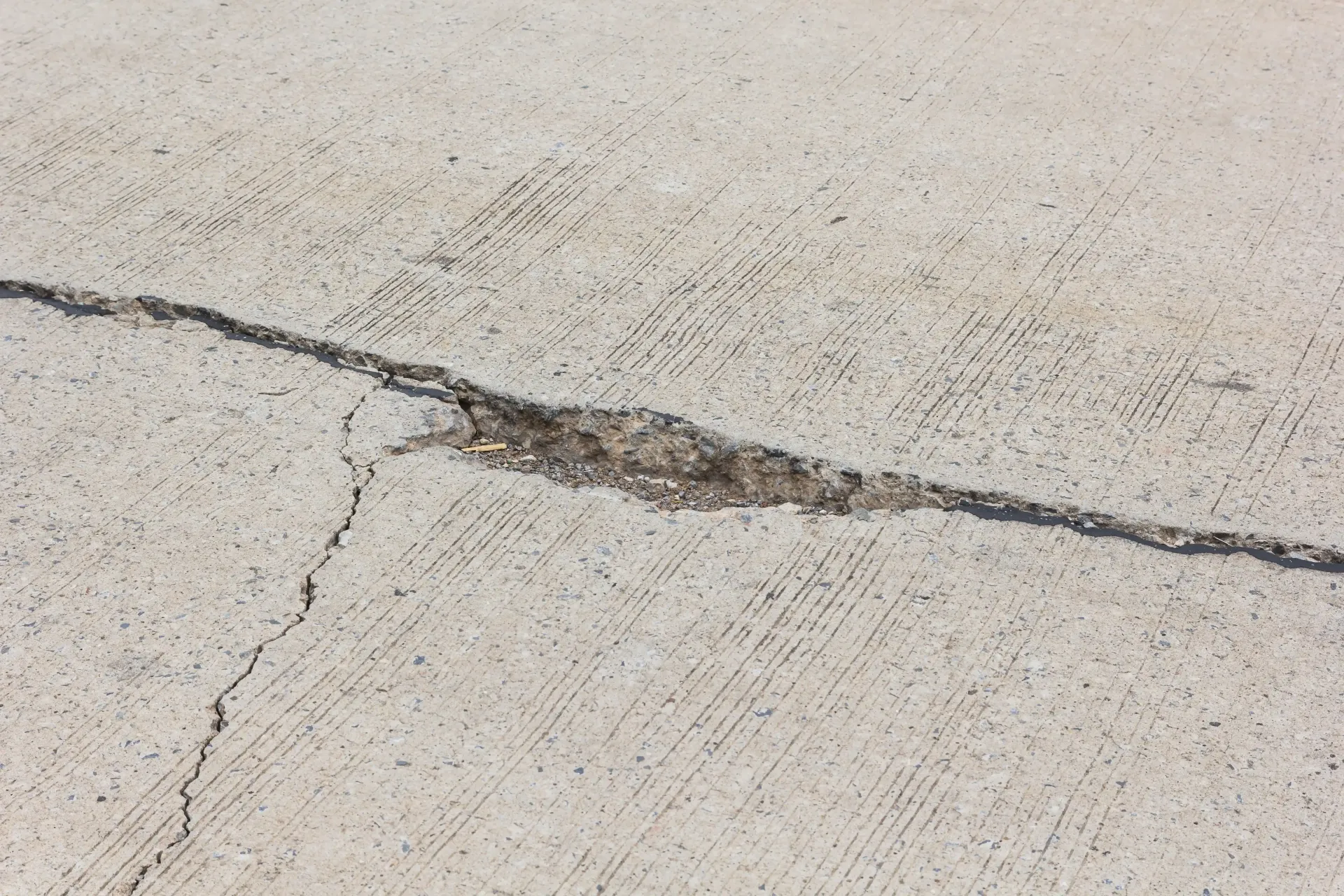
Discover why store-bought DIY concrete fillers fail during Champaign's harsh winter freeze-thaw cycles and how professional routing and sealing protects your driveway.
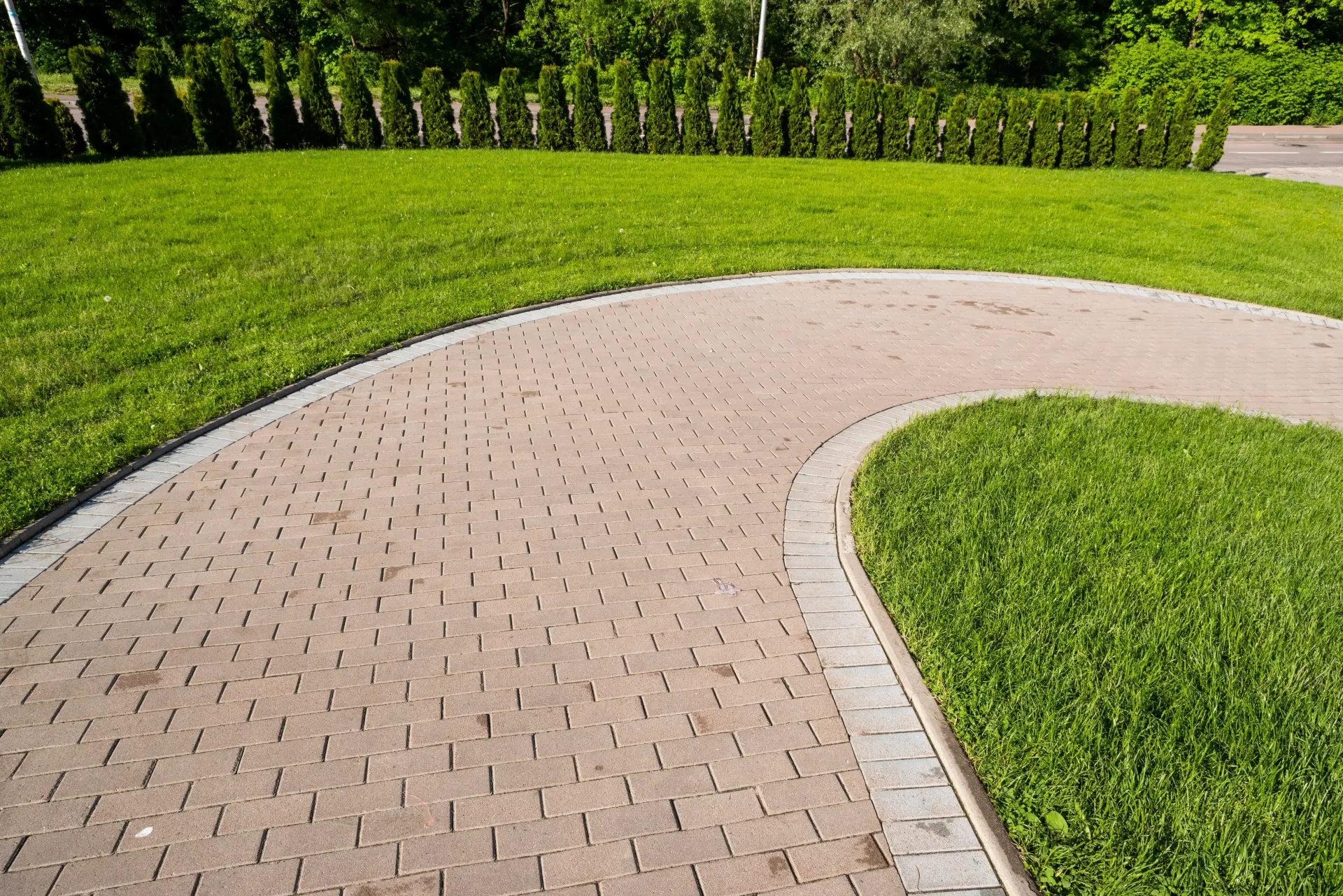
Tired of tracking Illinois mud into your house? Discover how strategic concrete walkways can protect your landscaping, save your carpets, and eliminate "mud highways" in your backyard this spring.
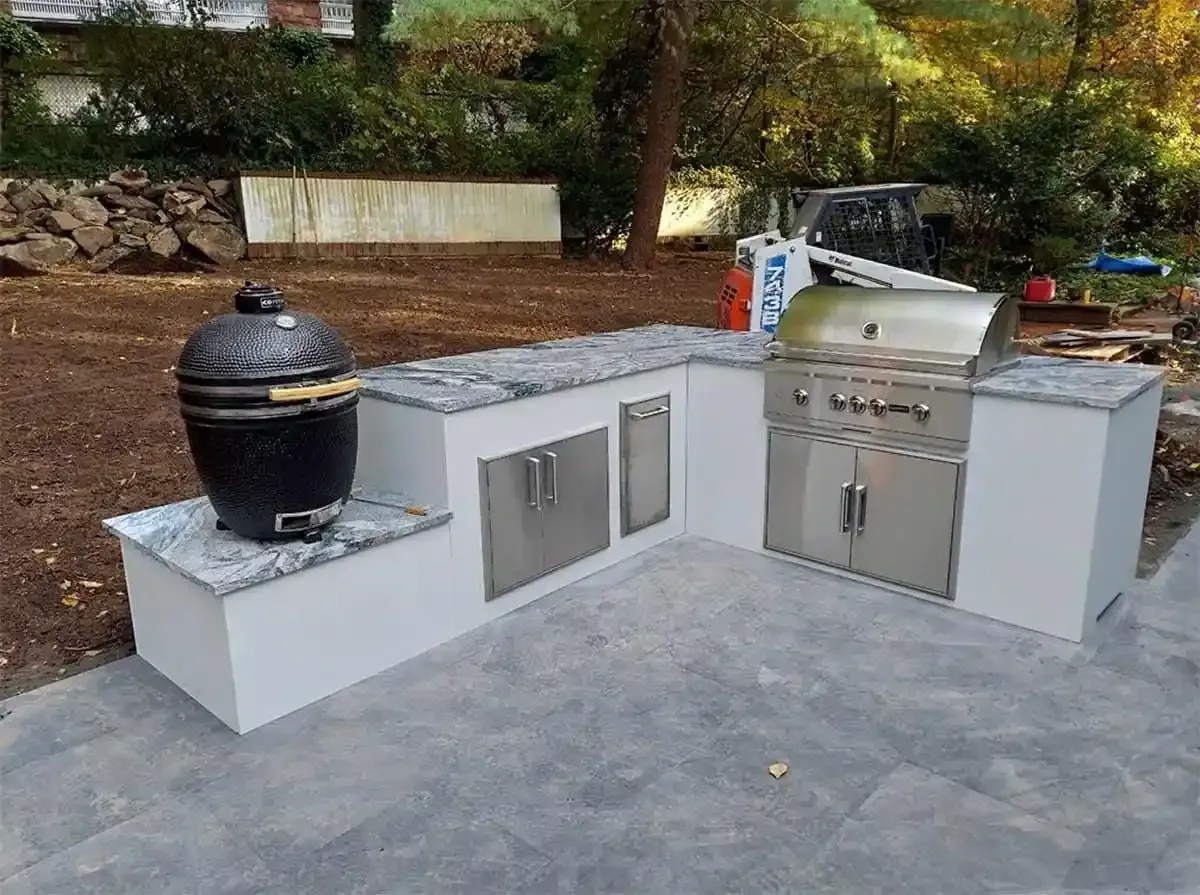
Planning a luxury outdoor kitchen in Champaign, IL? Don’t let a heavy grill sink your stone patio. Learn why a reinforced concrete foundation and proper drainage are the "secret ingredients" to a backyard that lasts.