

Why Your Concrete Turns White in Winter: Understanding Efflorescence and How to Fix It in 2026
Concrete Champs Champaign • January 20, 2026
Efflorescence?
If you’ve ever walked out to grab the mail on a cold January afternoon and noticed your driveway or patio
looking like it’s been dusted with flour, you’re not imagining things. That weird white film that shows up on concrete in the winter is real, and it throws a lot of Champaign homeowners off. You shovel the snow, maybe throw down some ice melt, and then a few days later the concrete looks older, chalkier, and just… off. Most people assume it’s just salt or some kind of residue from the products they used, but a lot of the time, that’s not actually what’s going on.
What you’re probably seeing is something called efflorescence. It sounds like a fancy word, but the idea behind it is pretty simple. Concrete isn’t as solid as it looks. It’s full of tiny pores, and water can move through those pores. When moisture gets inside the concrete, it dissolves natural salts and minerals that are already in the material. As that moisture works its way back up to the surface and eventually evaporates, it leaves those minerals behind. That leftover stuff is the white, powdery film you’re seeing.
Winter just makes this whole process more obvious. Around Champaign, we get a lot of freeze‑thaw cycles—days where it’s below freezing at night and then warms up just enough during the day to melt a little snow or ice. When the concrete is cold, any water inside it freezes and expands. When it warms up, that water thaws and starts moving again. That constant freezing and thawing acts like a pump, pushing moisture toward the surface. Every time that happens, a little more of that mineral residue gets left behind.
Our local soil doesn’t exactly help, either. Champaign has a lot of clay in the ground, and clay loves to hold onto water. When the ground under your driveway or patio is holding moisture and then freezes, it pushes upward. That pressure can force more water into the concrete from below. So even if you’re not pouring water directly onto your driveway, the slab might still be soaking it up from underneath. By the time January or February rolls around, that process has been going on for weeks, and the white film starts to show up more and more.
Now, to be fair, sometimes what you’re seeing really is salt. If you’re using rock salt or certain ice melt products, they can leave a white residue too. The tricky part is telling the difference. Efflorescence usually feels soft and powdery and brushes off pretty easily. Salt tends to feel a little grittier or crustier. Another clue: if you clean it off and it comes back in the same spots over and over, especially after a warm spell or a melt, that’s a good sign you’re dealing with efflorescence, not just leftover salt.
The frustrating part for a lot of homeowners is that you can sweep it, rinse it, scrub it, and it still returns. That’s because the problem isn’t really on the surface. The concrete is basically pushing moisture and minerals out from the inside. Until you deal with the moisture, you’re going to keep seeing that white film.
So what do you do about it in 2026? The first step is to pay attention to where it’s happening. Is it just in one area? Near a downspout? Along the edge of the driveway where snow piles up? Those patterns matter. Efflorescence is a cosmetic issue on its own, but it’s also a clue. It’s telling you where moisture is moving through your concrete.
One of the best long‑term fixes is improving drainage around the slab. If water is constantly sitting near your driveway, patio, or walkway, the concrete is going to keep soaking it up. Sometimes the solution is as simple as extending a downspout so it doesn’t dump water right next to the concrete. Other times, the yard might need a little regrading so water flows away instead of toward the slab. These aren’t glamorous fixes, but they make a big difference.
Another big step is sealing the concrete once the weather warms up. You can’t do that in the middle of a Champaign winter, but winter is when you notice the problem, and spring is when you fix it. A good sealer
helps keep moisture from getting into the concrete in the first place. It won’t magically erase efflorescence that’s already there, but it can stop it from coming back as aggressively. As a bonus, sealing also helps protect against salt damage and surface wear, which is a big deal after a long winter.
In some cases, especially with older concrete or slabs that weren’t finished very well, the surface might just be more porous than it should be. Those slabs tend to show more efflorescence because they let more moisture in and out. When that’s the case, resurfacing or using a densifying product might be worth considering. Those options help tighten up the surface and reduce how much water can move through it.
It’s also worth mentioning that while efflorescence itself doesn’t mean your concrete is failing, it can sometimes be a sign that water is getting into places it shouldn’t. If you’re seeing the white film along with cracking, flaking, or areas that seem to be breaking down, that’s a good time to have someone take a closer look. It might be more than just a cosmetic issue at that point. The bottom line is this: if your concrete turns white in winter, it doesn’t mean you did something wrong, and it doesn’t mean your driveway or patio
is ruined. It’s your concrete telling you that moisture is moving through it. In 2026, instead of just brushing it off and forgetting about it, you can use it as a chance to get ahead of future problems—improve drainage, plan for sealing, and keep an eye on any areas that seem to be getting worse.
At Concrete Champs Champaign, we see this every winter. We’ve had plenty of conversations standing in driveways, looking at that white film, and explaining what’s going on beneath the surface. If you’re tired of seeing the same patches show up year after year, or you’re just not sure whether it’s something to worry about, that’s exactly the kind of thing we can help you sort out. Sometimes the fix is simple. Sometimes it’s part of a bigger repair plan. Either way, you don’t have to guess your way through it.
-Concrete Champs Champaign
You might also like
Concrete Champs Champaign Blog
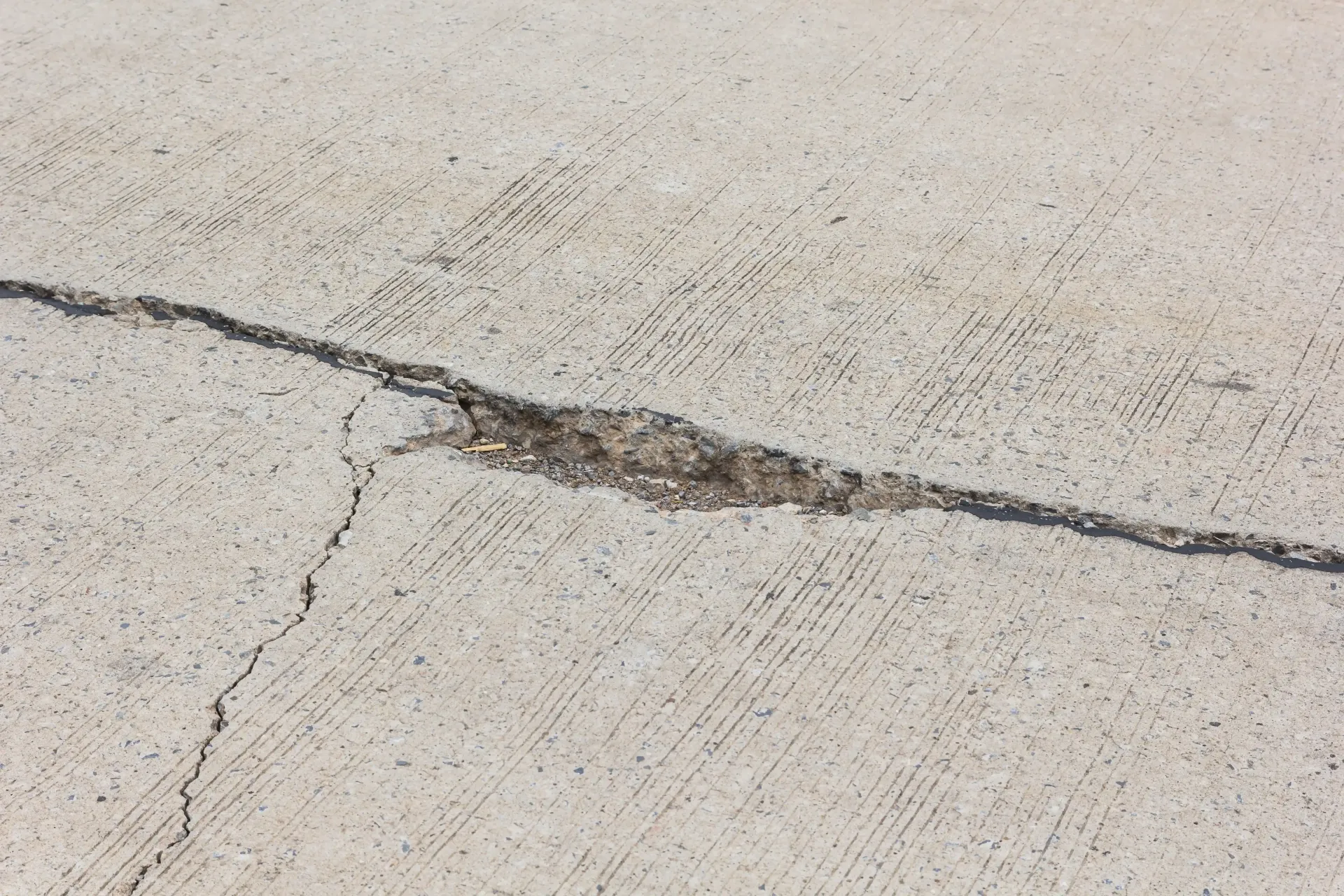
Discover why store-bought DIY concrete fillers fail during Champaign's harsh winter freeze-thaw cycles and how professional routing and sealing protects your driveway.
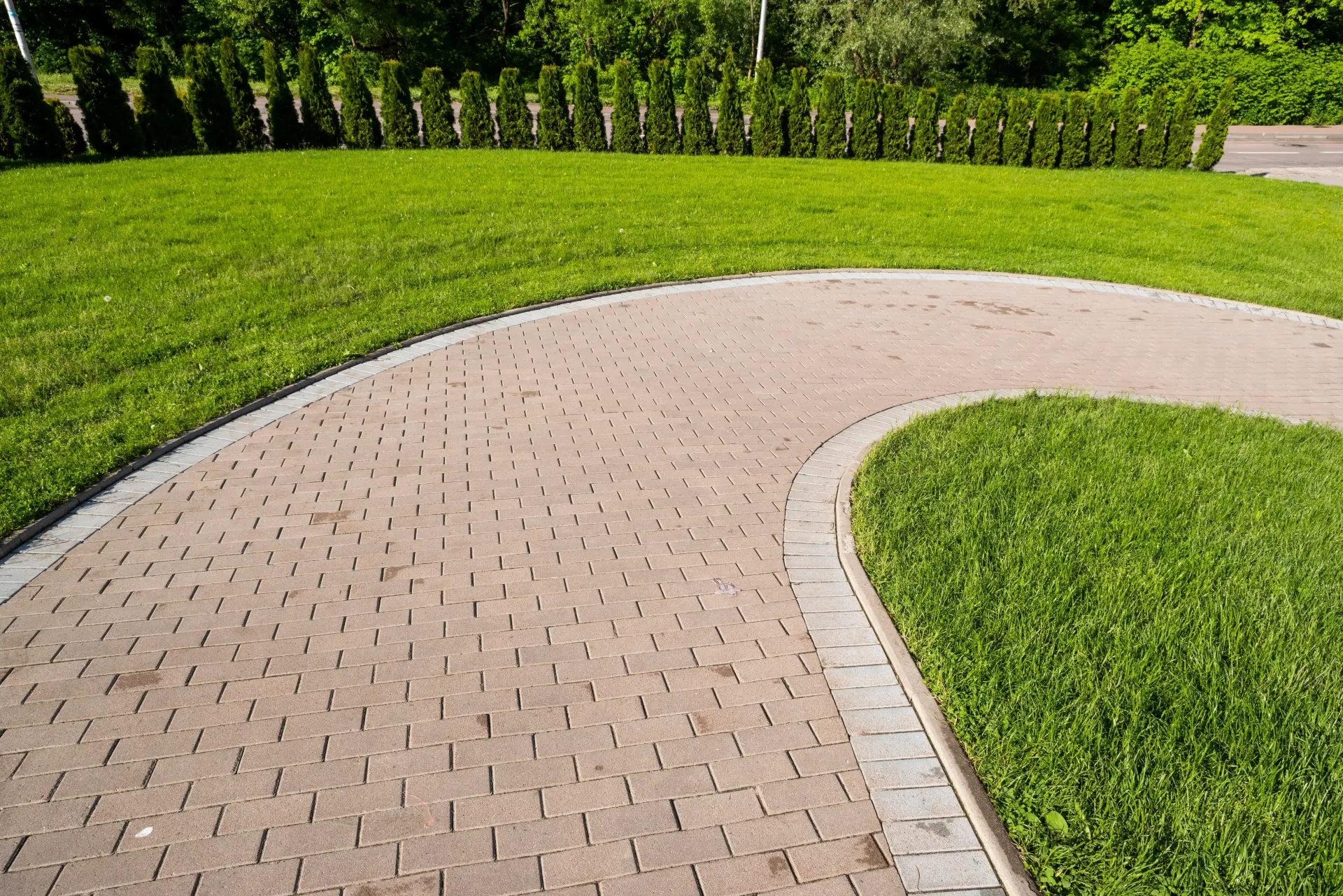
Tired of tracking Illinois mud into your house? Discover how strategic concrete walkways can protect your landscaping, save your carpets, and eliminate "mud highways" in your backyard this spring.
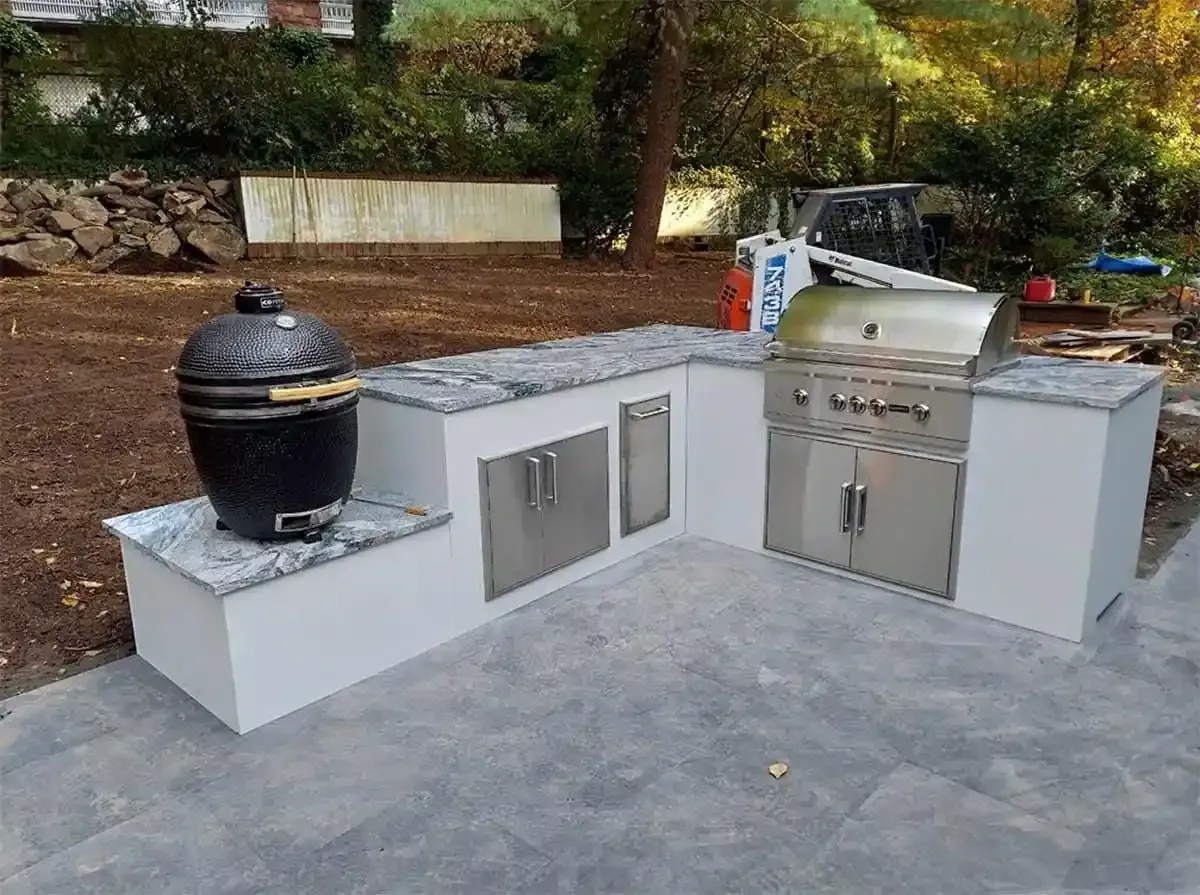
Planning a luxury outdoor kitchen in Champaign, IL? Don’t let a heavy grill sink your stone patio. Learn why a reinforced concrete foundation and proper drainage are the "secret ingredients" to a backyard that lasts.