

How to Protect Your Driveway from Snowplows, Shovels, and Ice Melt Damage
Concrete Champs Champaign • December 22, 2025
Simple winter habits that prevent concrete damage from plows, shovels, and harsh de‑icers
Winter in Champaign, Illinois, is a season that puts every driveway
to the test. The combination of heavy snow, freezing temperatures, and constant freeze‑thaw cycles creates the perfect environment for concrete damage. But what many homeowners don’t realize is that the biggest threats aren’t just the weather itself—they’re the tools and products used to fight the weather. Snowplows, metal shovels, and harsh ice melts can quietly wear down the surface of your driveway, leaving behind chips, scratches, cracks, and long‑term deterioration that often doesn’t show up until spring. Protecting your driveway starts with understanding how these winter habits affect concrete and what you can do to prevent unnecessary damage.
Concrete becomes more vulnerable in winter because moisture inside the slab freezes and expands, making the surface more brittle. When a snowplow blade scrapes across that cold, rigid surface, even a small amount of pressure can chip the top layer or catch on an uneven spot. Once the blade digs in, it can peel away concrete like a carpenter’s plane shaving wood. Homeowners who hire plowing services should always confirm that the blade is raised slightly and that the contractor uses a rubber or polyurethane edge. These softer edges glide over the surface instead of digging into it. Even if you plow your own driveway, marking the edges with tall, reflective stakes helps prevent accidental scraping or corner damage, especially during heavy snowfall when visibility is low.
Shoveling may seem harmless, but the wrong shovel or technique can cause just as much damage as a plow. Metal‑edged shovels act like chisels when they hit frozen concrete. A single hard impact can loosen surface material, and repeated scraping can wear down the finish. Plastic shovels or shovels with rubber edges are far safer for concrete, especially during Champaign’s coldest months. Another common mistake is chopping at ice. When homeowners hack at frozen patches with a metal shovel, they often end up breaking off pieces of the concrete surface instead. A better approach is to use a concrete‑safe ice melt or sprinkle sand for traction until the ice naturally loosens.
Ice melt products are another major source of winter driveway damage. Many de‑icers contain chemicals that accelerate surface deterioration. Rock salt is the most common culprit. While it melts ice quickly, it also draws moisture deeper into the concrete. When that moisture freezes again, it expands and causes scaling, pitting, and cracking. Newer driveways are especially vulnerable because the concrete is still curing and more porous. Safer alternatives include calcium magnesium acetate, calcium chloride, and potassium chloride. These products cost more, but they are far gentler on concrete and work effectively in the colder temperatures typical of Champaign winters. Regardless of which product you choose, applying it sparingly is important. Excess granules sit on the surface, melt into the pores, and increase the risk of freeze‑thaw damage. Once temperatures rise, sweeping away leftover ice melt helps protect the concrete from further exposure.
Preventing winter damage also means preparing your driveway before the cold sets in. Sealing
the surface in the fall creates a protective barrier that keeps moisture from soaking into the concrete. This makes snow removal easier and reduces the risk of freeze‑thaw cracking. Repairing small cracks
before winter is equally important. Even hairline cracks allow water to enter, freeze, and expand, turning a minor flaw into a major problem by spring. Clearing snow early and often also helps. The longer snow sits, the more it melts and refreezes, increasing the need for aggressive tools or heavy ice melt use. Removing snow promptly reduces the likelihood of ice buildup and the need for harsh removal methods.
Champaign homeowners face unique challenges because of the region’s clay‑heavy soil and frequent temperature swings. When the ground freezes, the soil beneath the driveway expands. When it thaws, it contracts. This movement puts stress on the concrete from below, and any damage caused by plows, shovels, or ice melt only makes the slab more vulnerable. By using the right tools, choosing safer de‑icers, and maintaining the driveway before winter arrives, homeowners can significantly reduce the risk of cracking, chipping, and surface wear.
Winter will always be tough on concrete, but the right habits can make a big difference. Protecting your driveway isn’t just about avoiding damage today—it’s about preserving the strength and appearance of your concrete for years to come. At Concrete Champs Champaign, we help homeowners understand how Illinois winters affect their driveways and what steps they can take to keep their concrete in top condition. Whether you need repairs, sealing, or expert guidance, our team is here to help you protect your investment through every season.
-Concrete Champs Champaign
You might also like
Concrete Champs Champaign Blog
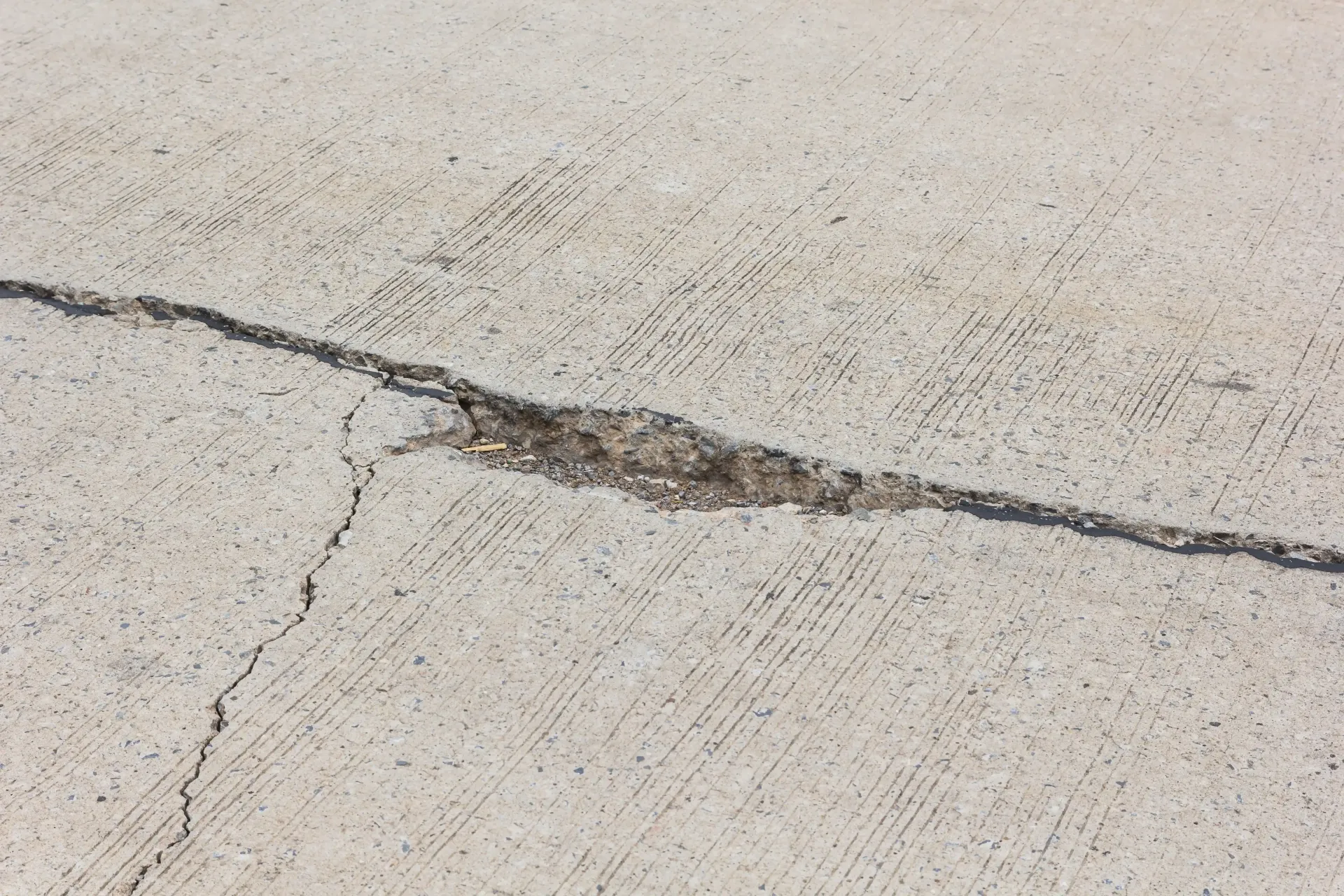
Discover why store-bought DIY concrete fillers fail during Champaign's harsh winter freeze-thaw cycles and how professional routing and sealing protects your driveway.
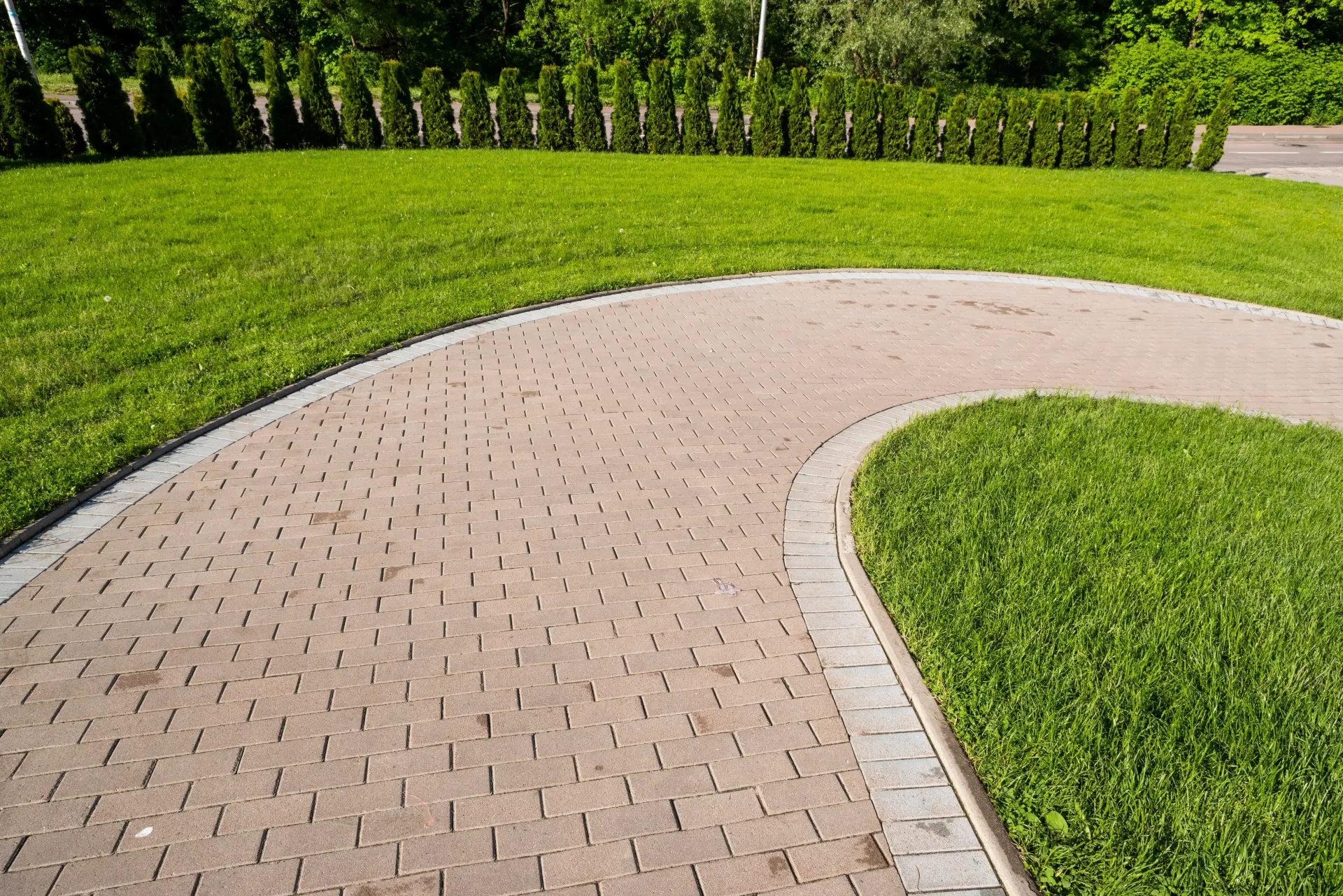
Tired of tracking Illinois mud into your house? Discover how strategic concrete walkways can protect your landscaping, save your carpets, and eliminate "mud highways" in your backyard this spring.
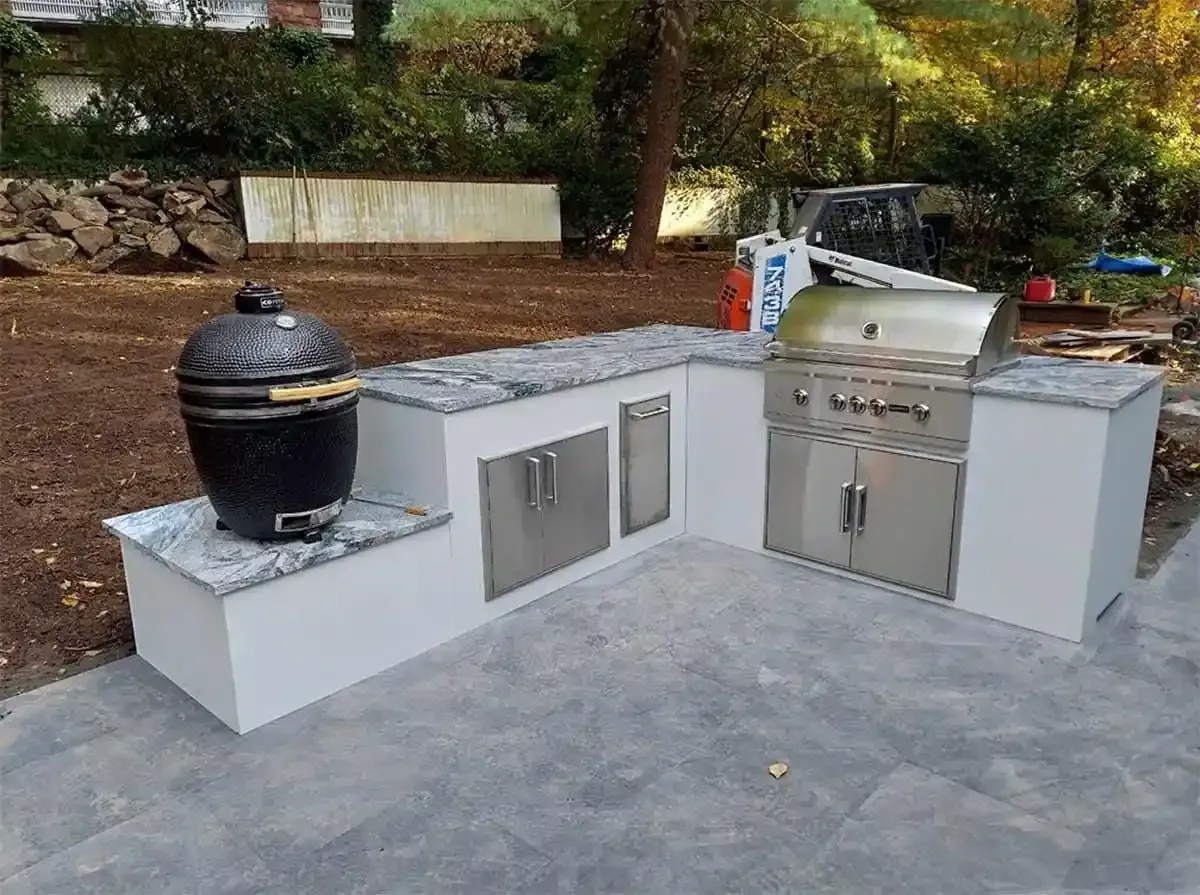
Planning a luxury outdoor kitchen in Champaign, IL? Don’t let a heavy grill sink your stone patio. Learn why a reinforced concrete foundation and proper drainage are the "secret ingredients" to a backyard that lasts.