

Winter Drainage Problems: How Poor Water Flow Leads to Cracks and Heaving
Concrete Champs Champaign • December 15, 2025
Why trapped water beneath your concrete becomes a major threat during Champaign’s freeze‑thaw season
Every winter in Champaign, homeowners start noticing the same frustrating signs around their driveways, patios, and walkways: new cracks
that weren’t there in the fall, slabs that suddenly sit uneven, or sections of concrete that seem to lift overnight. While freezing temperatures and snow get most of the blame, the real culprit often hides beneath the surface—poor drainage. When water can’t move away from concrete the way it should, winter weather magnifies the problem, turning small issues into major structural concerns. Understanding how drainage affects concrete during Champaign’s cold months is the first step toward preventing costly damage.
Water is concrete’s biggest enemy in winter. When temperatures drop, any moisture trapped beneath or around a slab begins to freeze. As water freezes, it expands, pushing upward on the concrete. This upward pressure is what causes heaving, a common winter problem in Champaign County. Homeowners often describe it as their concrete “lifting” or “bubbling up,” especially near joints or edges. Once the ground thaws, the slab may settle back down—or it may stay uneven, depending on how much soil movement occurred.
Champaign’s soil plays a major role in this process. Much of the county sits on clay‑heavy soil, which absorbs water like a sponge. When clay gets wet, it swells. When it dries or freezes, it contracts. This constant movement puts stress on concrete from below. If water is allowed to pool around a slab, the soil beneath becomes even more unstable. During winter, that instability becomes more extreme as the freeze‑thaw cycle repeats day after day. A slab that sits perfectly level in October can be noticeably uneven
by February simply because water wasn’t draining properly.
Cracking
is another major consequence of poor drainage. When water seeps into small surface pores or hairline cracks, it freezes and expands. Each freeze widens the crack a little more. Over the course of a Champaign winter—where temperatures often bounce above and below freezing multiple times a week—those tiny cracks can grow into visible fractures. Homeowners often assume the concrete cracked because it is old, but in reality, water flow is usually the underlying issue.
One of the most common winter drainage problems occurs along driveways. If the driveway slopes toward the house or toward a low spot, meltwater has nowhere to go. It seeps into the soil, freezes, and pushes the slab upward. The same thing happens with patios that sit too low or sidewalks
that have settled over time. Even a slight dip in the concrete can collect enough water to cause damage once temperatures drop.
Gutters and downspouts also play a surprisingly big role. When downspouts discharge water too close to concrete surfaces, the soil becomes saturated. In winter, that saturated soil freezes quickly, creating pressure beneath the slab. Many homeowners don’t realize that simply redirecting a downspout a few feet farther away can prevent thousands of dollars in concrete repairs.
Snow removal habits can make drainage issues worse. When snow is piled along the edges of a driveway or patio, the melting water flows directly toward the slab instead of away from it. If the ground beneath is already frozen, the water has nowhere to go and begins to pool. That pooled water eventually freezes, expanding beneath the concrete and causing heaving or cracking. Clearing snow away from the edges—not just off the surface—helps reduce this risk.
Another overlooked factor is the condition of the base beneath the concrete. A proper gravel base allows water to drain instead of sitting directly under the slab. But over time, soil movement, erosion, or improper installation can compromise that base. In Champaign’s winter climate, a weak base becomes a major liability. Water collects, freezes, and forces the slab upward. Once the ground thaws, the slab may settle unevenly, leaving trip hazards or low spots that collect even more water the next time it rains or snows.
Preventing winter drainage problems starts with understanding how water moves around your property. Homeowners should look for signs like pooling water after rain, soil erosion near concrete edges, or areas where snowmelt consistently flows toward the slab. Fixing these issues before winter arrives is the best way to avoid damage. Simple steps like improving grading, extending downspouts, or adding drainage channels can make a big difference.
For concrete that’s already showing signs of winter damage, early intervention is key. Small cracks can be sealed to prevent water from entering. Uneven slabs can often be leveled instead of replaced, restoring proper drainage and preventing further movement. Addressing the root cause—poor water flow—ensures the repair lasts instead of failing again next winter.
Champaign homeowners face unique challenges because of the region’s freeze‑thaw cycles and clay‑heavy soil. But with the right approach, winter drainage problems don’t have to lead to cracked or heaving concrete. Understanding how water behaves beneath your slabs is the first step toward protecting your driveway, patio, or walkway from seasonal damage.
At Concrete Champs Champaign, we help homeowners identify drainage issues before they turn into costly repairs. Whether you’re dealing with cracks, uneven slabs, or recurring winter damage, our team can diagnose the cause and recommend long‑lasting solutions built for Illinois weather. Proper drainage isn’t just a bonus—it’s essential for concrete that stays strong through every season.
- Concrete Champs Champaign
You might also like
Concrete Champs Champaign Blog
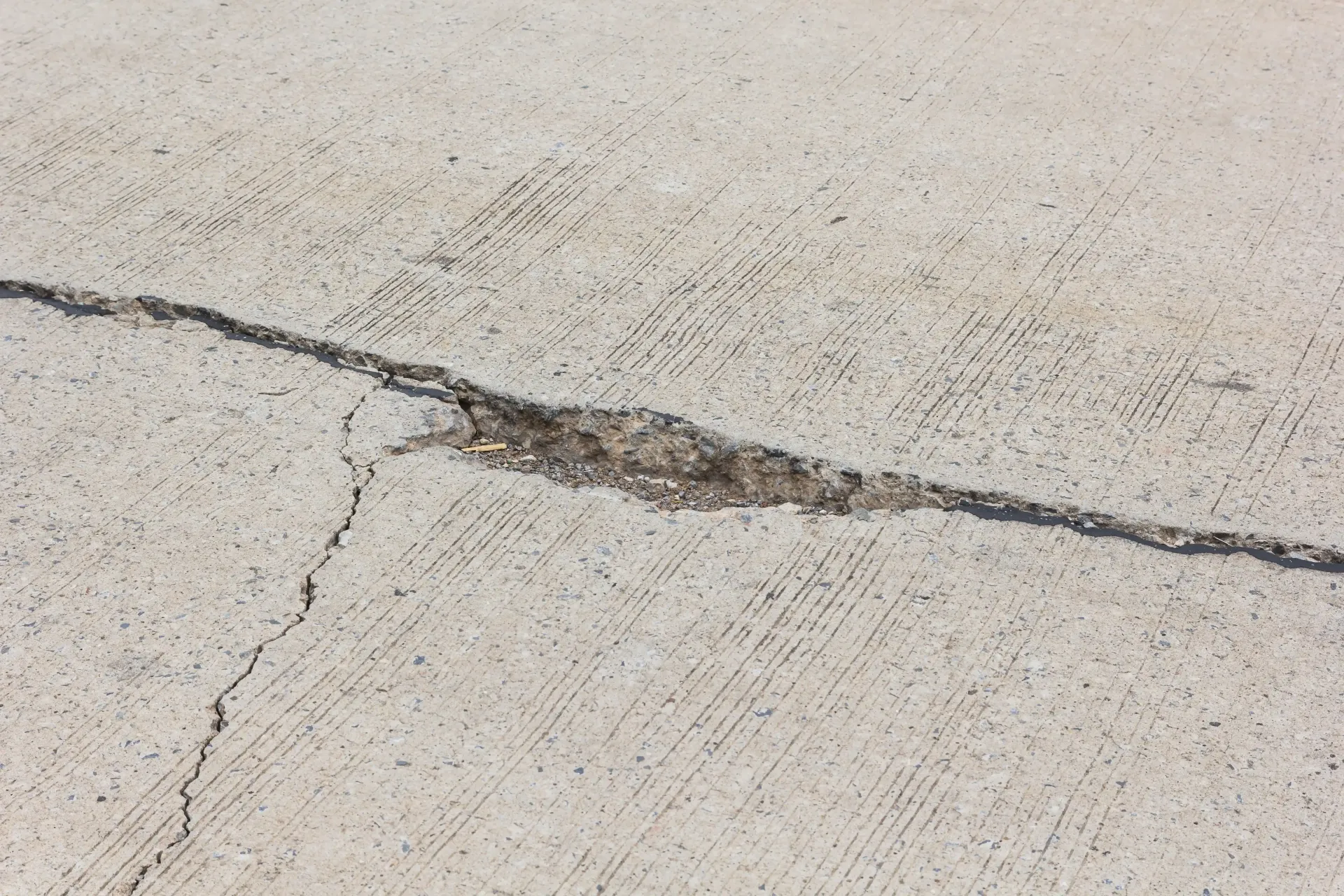
Discover why store-bought DIY concrete fillers fail during Champaign's harsh winter freeze-thaw cycles and how professional routing and sealing protects your driveway.
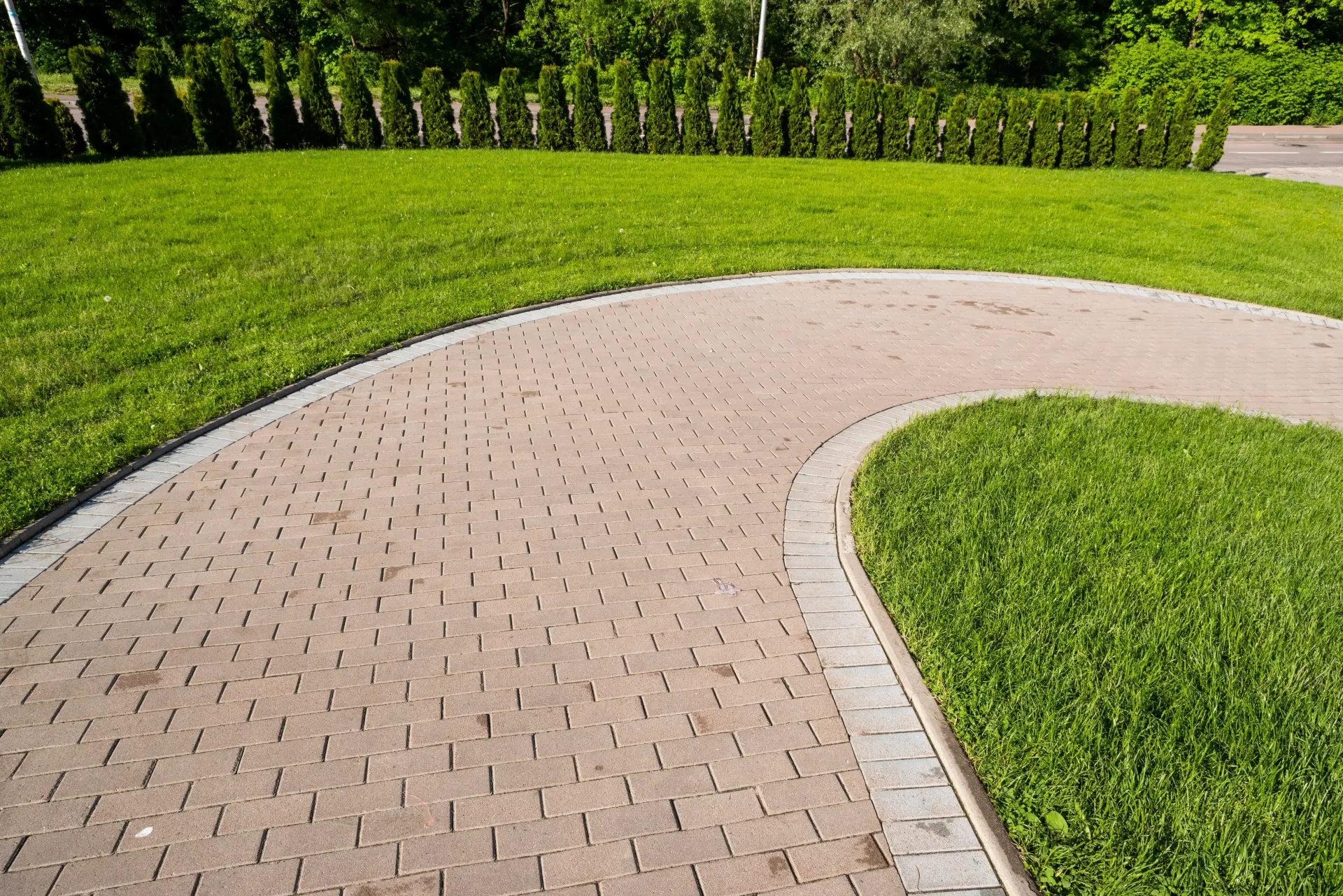
Tired of tracking Illinois mud into your house? Discover how strategic concrete walkways can protect your landscaping, save your carpets, and eliminate "mud highways" in your backyard this spring.
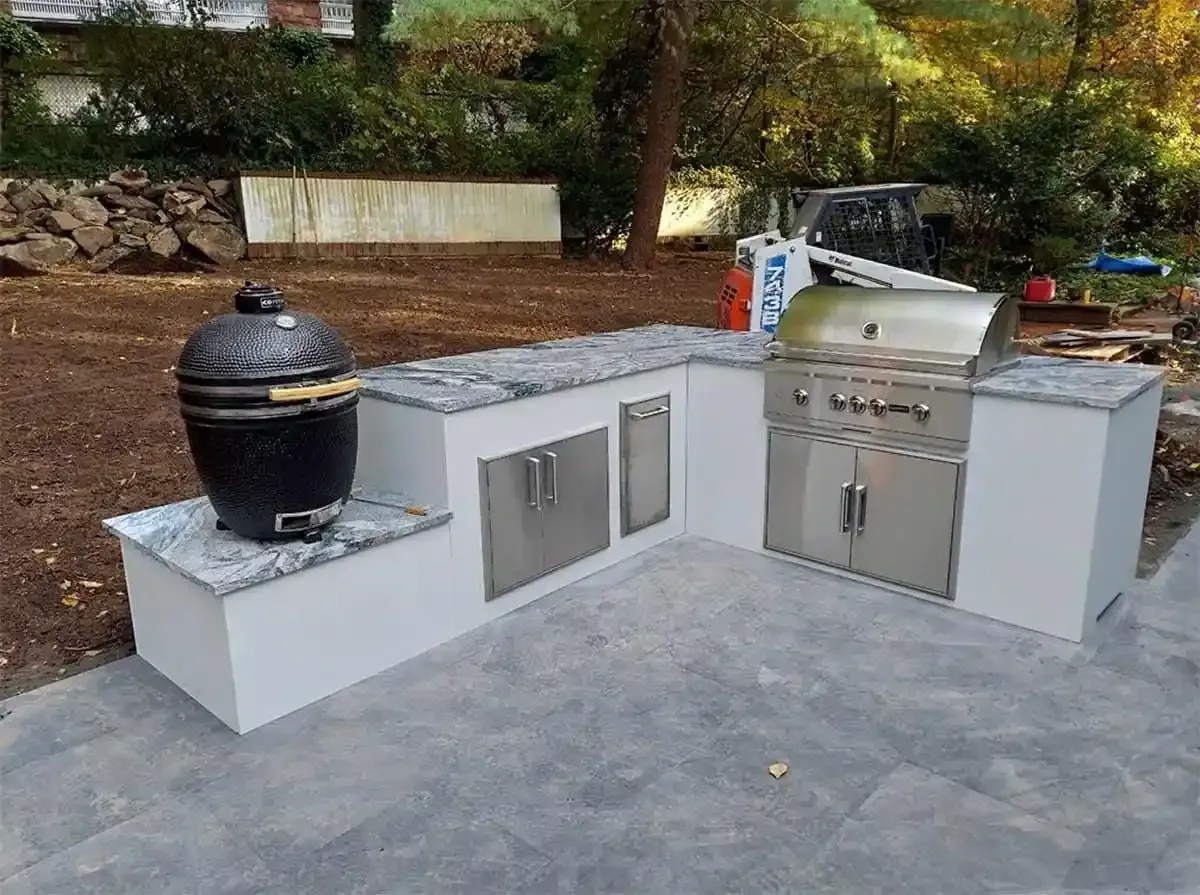
Planning a luxury outdoor kitchen in Champaign, IL? Don’t let a heavy grill sink your stone patio. Learn why a reinforced concrete foundation and proper drainage are the "secret ingredients" to a backyard that lasts.