

Should You Pour New Concrete in Winter? What Champaign Homeowners Need to Know
Concrete Champs Champaign • December 9, 2025
To Pour or not to Pour?
Concrete is one of the most durable building materials, but timing matters when it comes to installation. In Champaign, Illinois, winter brings freezing temperatures, snow, and frequent freeze‑thaw cycles. These conditions raise an important question for homeowners: is it safe to pour new concrete in winter? The answer depends on preparation, technique, and understanding how cold weather affects the curing process.
Pouring concrete in winter is possible, but it requires extra care. Concrete hardens through a chemical reaction called hydration. For hydration to occur properly, the mix must stay above a certain temperature. When temperatures drop below freezing, water inside the mix can freeze, expand, and weaken the slab. This leads to surface scaling, cracking, or even structural failure. In Champaign’s climate, where temperatures often swing between freezing and thawing, the risks are higher than in milder regions.
Contractors who understand local conditions know how to adapt. One common method is using heated water in the mix to keep temperatures stable during the initial curing phase. Insulated blankets or heated enclosures can also protect freshly poured slabs from freezing. These techniques allow concrete to cure properly even when the air outside is cold. Without them, the concrete may look fine at first but fail prematurely once spring arrives.
Another factor to consider is timing. Winter days in Champaign are shorter, which means less daylight for work and slower evaporation of moisture. Concrete poured late in the day may not have enough time to set before temperatures drop overnight. Planning pours during midday, when temperatures are highest, reduces risk. Contractors also monitor weather forecasts closely to avoid pouring before snowstorms or deep freezes.
Soil conditions add another challenge. Much of Champaign County has clay‑heavy soil that expands when wet and contracts when dry. In winter, frozen ground can shift unpredictably. Pouring concrete on frozen soil may cause uneven settling once the ground thaws. To prevent this, contractors remove frost from the base and use gravel or sand to create a stable foundation. Proper preparation ensures the slab remains level
and strong through seasonal changes.
Homeowners often ask whether waiting until spring is better. While spring offers milder temperatures, it also brings heavy rainfall in central Illinois. Excess moisture can wash away curing agents or cause erosion around slabs. In some cases, winter pours with proper protection are more reliable than spring pours exposed to rain. The key is not the season itself but the techniques used to adapt to local conditions.
There are also cost considerations. Contractors may charge more for winter pours because of the extra equipment and labor required. Heated enclosures, curing blankets, and specialized mixes add expense. However, these costs are often lower than repairing or replacing failed concrete later. Investing in proper winter installation saves money in the long run.
For homeowners planning projects like driveways, patios, or foundations, the decision comes down to urgency and preparation. If a project can wait until warmer weather, scheduling in late spring or early summer may be simpler. But if a new slab is needed immediately—for example, to complete a home addition or repair a damaged driveway—winter pours are possible with the right contractor. Choosing a local professional familiar with Champaign’s freeze‑thaw cycles and soil conditions is essential.
Maintenance after a winter pour is equally important. Once the concrete has cured, homeowners should avoid using rock salt for de‑icing. Salt accelerates surface damage, especially on newer slabs. Safer alternatives like sand or calcium magnesium acetate provide traction without harming the concrete. Sealing
the surface within the first year adds another layer of protection against moisture and freeze‑thaw stress.
Real‑world examples highlight the importance of proper technique. A homeowner in Urbana once poured a patio
in January without insulation or heating. By spring, the surface showed scaling and cracks, requiring costly repairs. In contrast, a driveway poured in Savoy during December with curing blankets and heated water remained strong and smooth through multiple winters. These cases show that success depends less on the calendar and more on preparation.
In summary, pouring new concrete in winter is not only possible but often practical in Champaign, IL. The risks of freezing, soil movement, and short daylight hours are real, but experienced contractors know how to manage them. With heated mixes, insulated curing, and proper soil preparation, winter concrete can last as long as slabs poured in summer. Homeowners should weigh urgency, cost, and contractor expertise when deciding.
At Concrete Champs Champaign, we specialize in concrete services designed for Illinois weather. From driveways and patios to foundations and retaining walls, our team understands how to adapt to local conditions. Whether you choose to pour in winter or wait until spring, we provide dependable results built to last. Preparing properly ensures your concrete investment stays strong, safe, and attractive through every season.
- Concrete Champs Champaign
You might also like
Concrete Champs Champaign Blog
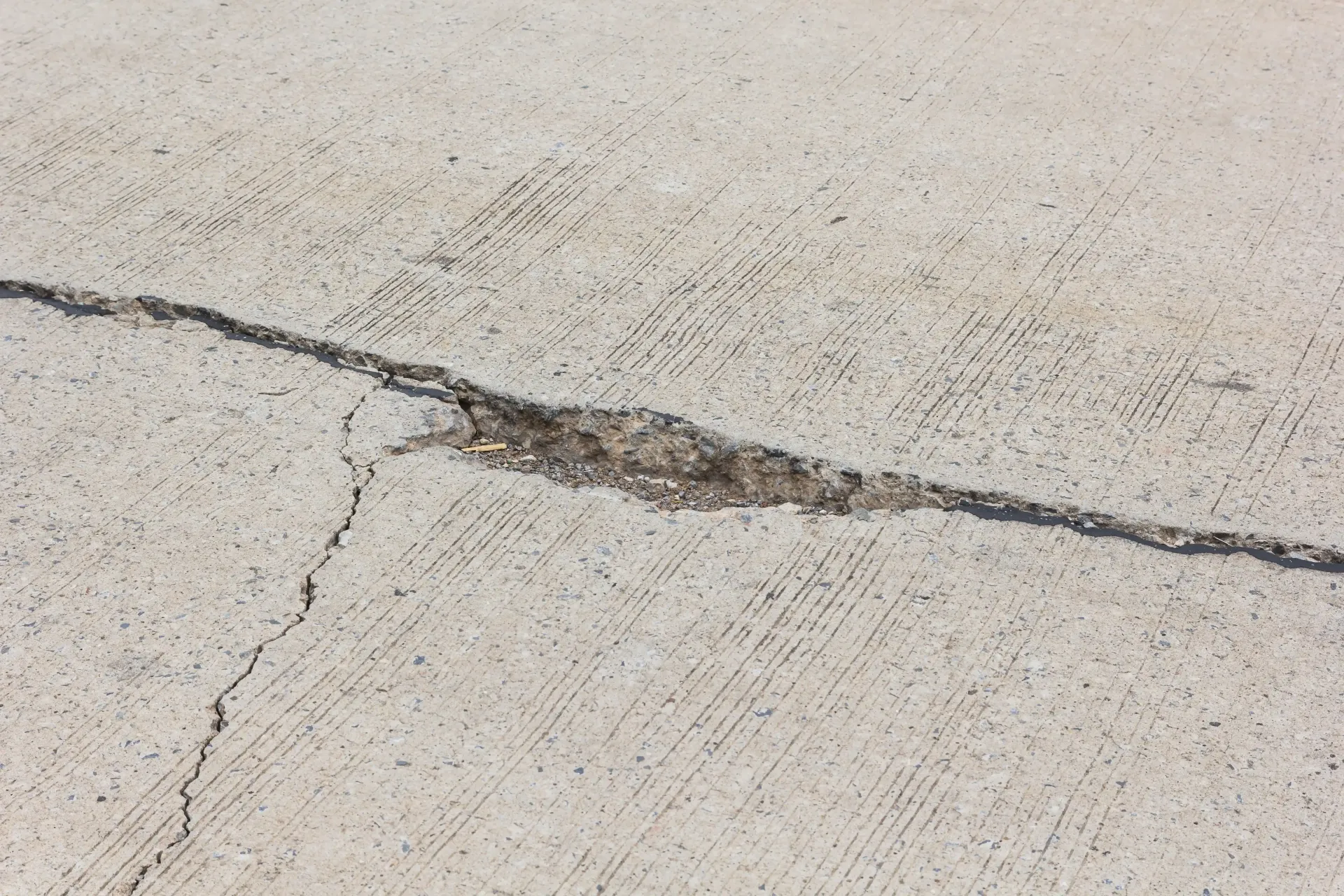
Discover why store-bought DIY concrete fillers fail during Champaign's harsh winter freeze-thaw cycles and how professional routing and sealing protects your driveway.
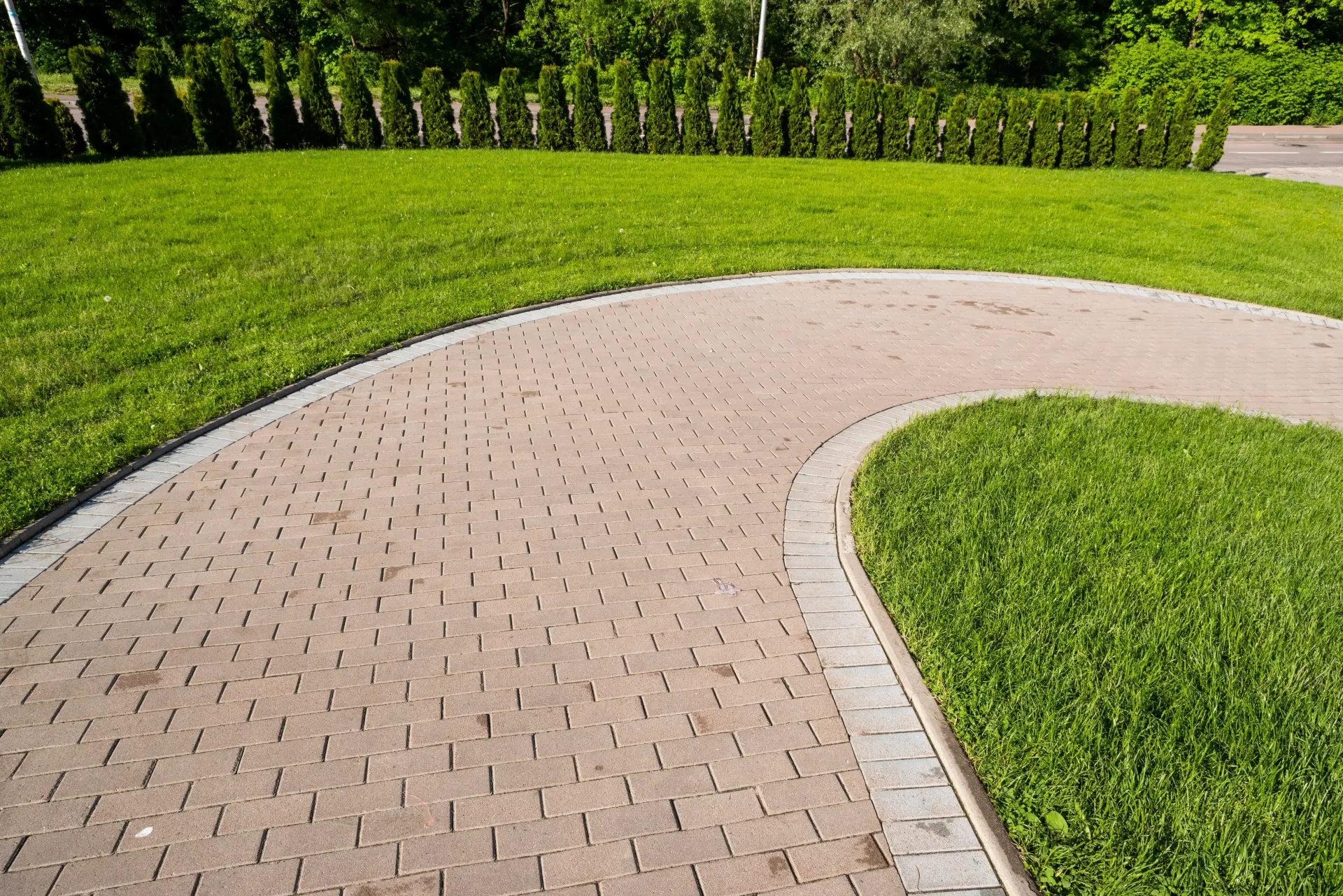
Tired of tracking Illinois mud into your house? Discover how strategic concrete walkways can protect your landscaping, save your carpets, and eliminate "mud highways" in your backyard this spring.
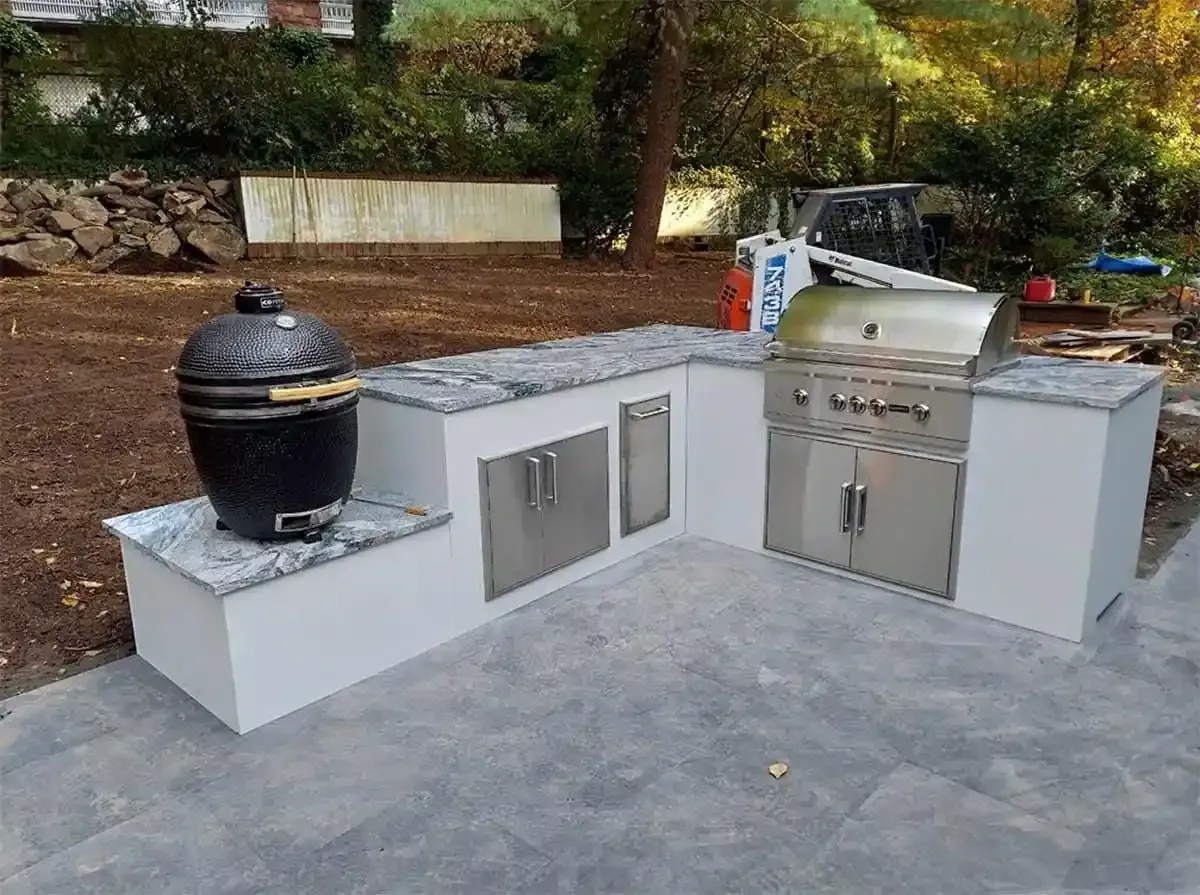
Planning a luxury outdoor kitchen in Champaign, IL? Don’t let a heavy grill sink your stone patio. Learn why a reinforced concrete foundation and proper drainage are the "secret ingredients" to a backyard that lasts.