

The Hidden Dangers of Rock Salt on Concrete Surfaces
Concrete Champs Champaign • December 1, 2025
Why using rock salt in Champaign winters can quietly damage concrete and cost you more in repairs
Winter in Champaign, Illinois, brings freezing temperatures, snow, and ice that make driveways, sidewalks, and patios
hazardous. For many homeowners, the quick fix is to spread rock salt. It seems like the simplest solution: salt melts ice, improves traction, and makes walking safer. But what most people don’t realize is that rock salt can quietly damage concrete surfaces. Over time, this common de‑icing method weakens slabs, shortens their lifespan, and creates costly repair needs. Understanding the hidden dangers of rock salt helps property owners make smarter choices for their concrete during harsh Illinois winters.
Rock salt, or sodium chloride, is popular because it’s inexpensive and widely available. It lowers the freezing point of water, which helps melt ice quickly. For homeowners in Champaign, where winter storms can drop several inches of snow in a single day, salt feels like a reliable solution. Hardware stores stock it in bulk, and neighbors often recommend it as the go‑to product for icy driveways. The problem is that while salt solves one issue—ice—it creates another: long‑term damage to concrete.
Concrete is porous, meaning it absorbs water. When salt is applied, it accelerates the freeze‑thaw cycle. Meltwater seeps into tiny pores and cracks, then refreezes when temperatures drop again. Each freeze expands the water, putting pressure on the slab. Over time, this repeated stress causes chips, cracks, and surface scaling. Salt also reacts chemically with concrete. Sodium chloride breaks down the paste that binds cement together, leaving the surface rough and weak. In Champaign’s climate, where temperatures swing above and below freezing many times each season, this cycle repeats hundreds of times. By spring, homeowners often notice flaking, discoloration, or crumbling patches where salt was used heavily.
Concrete slabs in Champaign sit on clay and silt soils that expand when wet and shrink when dry. Salt adds more moisture to the equation, worsening soil movement beneath the slab. This can lead to uneven settling, cracks, and drainage problems. Reinforced concrete may resist some damage, but even strong slabs eventually show wear when exposed to salt year after year.
Beyond damaging concrete, rock salt harms the environment. When snow and ice melt, salt washes into lawns, gardens, and storm drains. It dries out grass, damages plants, and increases soil salinity. Pets can also suffer from paw irritation when walking on salted surfaces. In Champaign, where winter runoff flows into local waterways, salt contributes to higher chloride levels that affect aquatic life.
The good news is that homeowners have safer options. Several de‑icing products are less harmful to concrete. Calcium magnesium acetate prevents ice from bonding to surfaces and is gentler on concrete and plants. Sand provides traction without melting ice, reducing slipping hazards. Potassium chloride or calcium chloride melt ice at lower temperatures than sodium chloride and are less damaging to concrete. Using these alternatives may cost more upfront, but they save money in the long run by reducing repair and replacement needs.
Homeowners in Champaign can also take preventative steps to protect concrete before winter arrives. Sealing
the surface with a breathable, penetrating sealer creates a barrier that reduces water absorption. Repairing small cracks early prevents water and salt from entering and expanding them. Improving drainage ensures water flows away from slabs, reducing pooling and freeze‑thaw stress. Shoveling snow promptly before it compacts minimizes the need for de‑icers. These habits extend the life of concrete and reduce the risks associated with salt use.
Consider a homeowner with a driveway near downtown Champaign. Each winter, they spread rock salt to keep the surface safe. By spring, the driveway shows white patches, flaking, and shallow cracks. Over several years, the damage worsens until sections of the slab sink unevenly. At that point, repair options include slab jacking or full replacement—both costly compared to preventative care. This scenario is common across central Illinois, where salt use is widespread.
While rock salt is cheap, the repairs
it causes are not. Driveway replacement can cost thousands of dollars, while patio or sidewalk repairs add up quickly. Businesses face even higher costs when parking lots or walkways deteriorate. Choosing safer de‑icers and maintaining concrete properly reduces these expenses.
Rock salt may seem like a quick fix for icy surfaces, but its hidden dangers make it a poor choice for long‑term concrete health. In Champaign’s freeze‑thaw climate, salt accelerates cracking, scaling, and soil movement beneath slabs. It also harms plants, pets, and local waterways. By sealing concrete, repairing cracks, and using safer alternatives, homeowners and businesses can protect their investment. Preventative care not only keeps surfaces safe during winter but also preserves property value for years to come.
At Concrete Champs Champaign, we understand the challenges of Illinois winters. Our concrete sealing, repair, and maintenance services are designed to withstand local conditions. Preparing now ensures your concrete stays strong, attractive, and safe through the cold months ahead.
- Concrete Champs Champaign
You might also like
Concrete Champs Champaign Blog
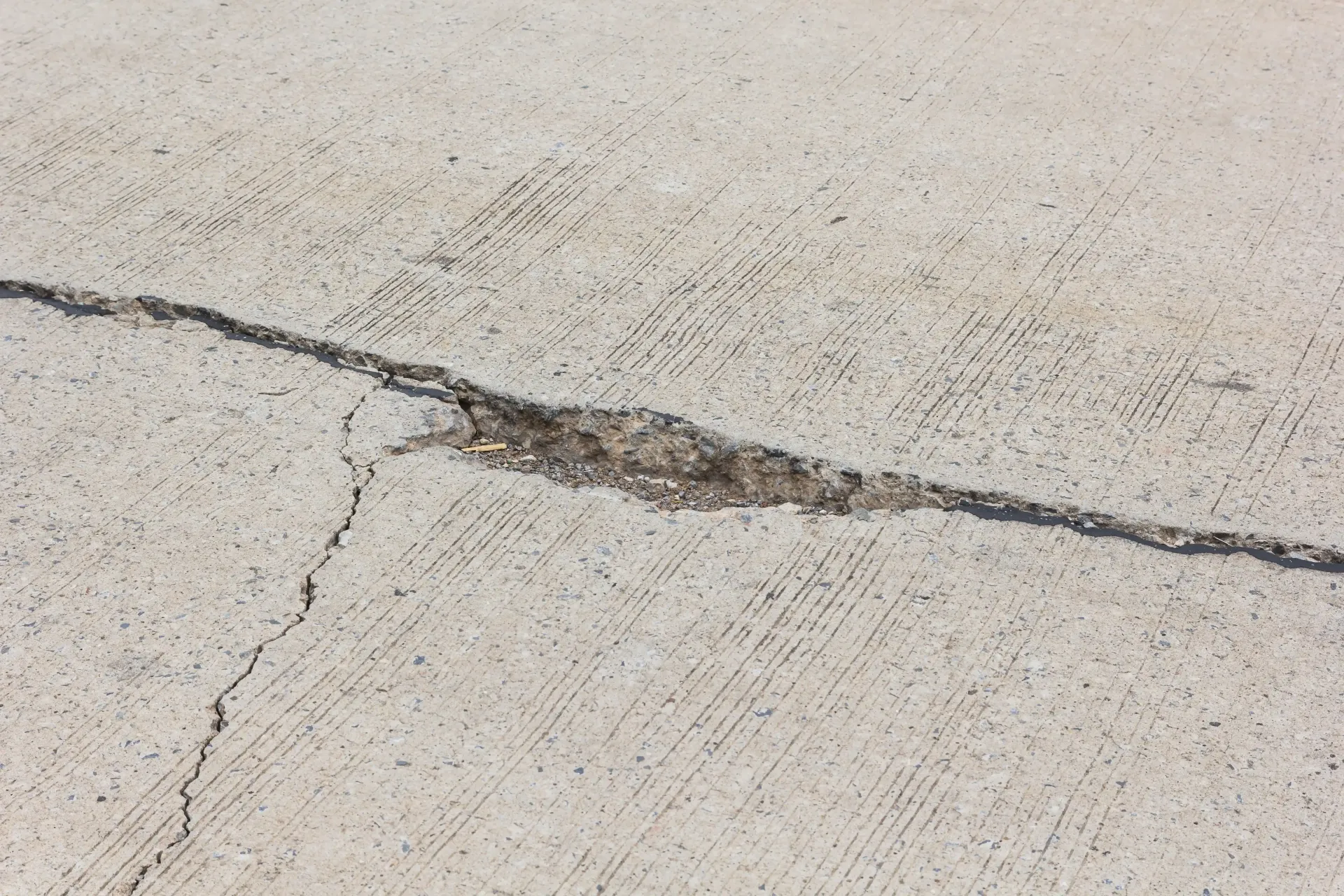
Discover why store-bought DIY concrete fillers fail during Champaign's harsh winter freeze-thaw cycles and how professional routing and sealing protects your driveway.
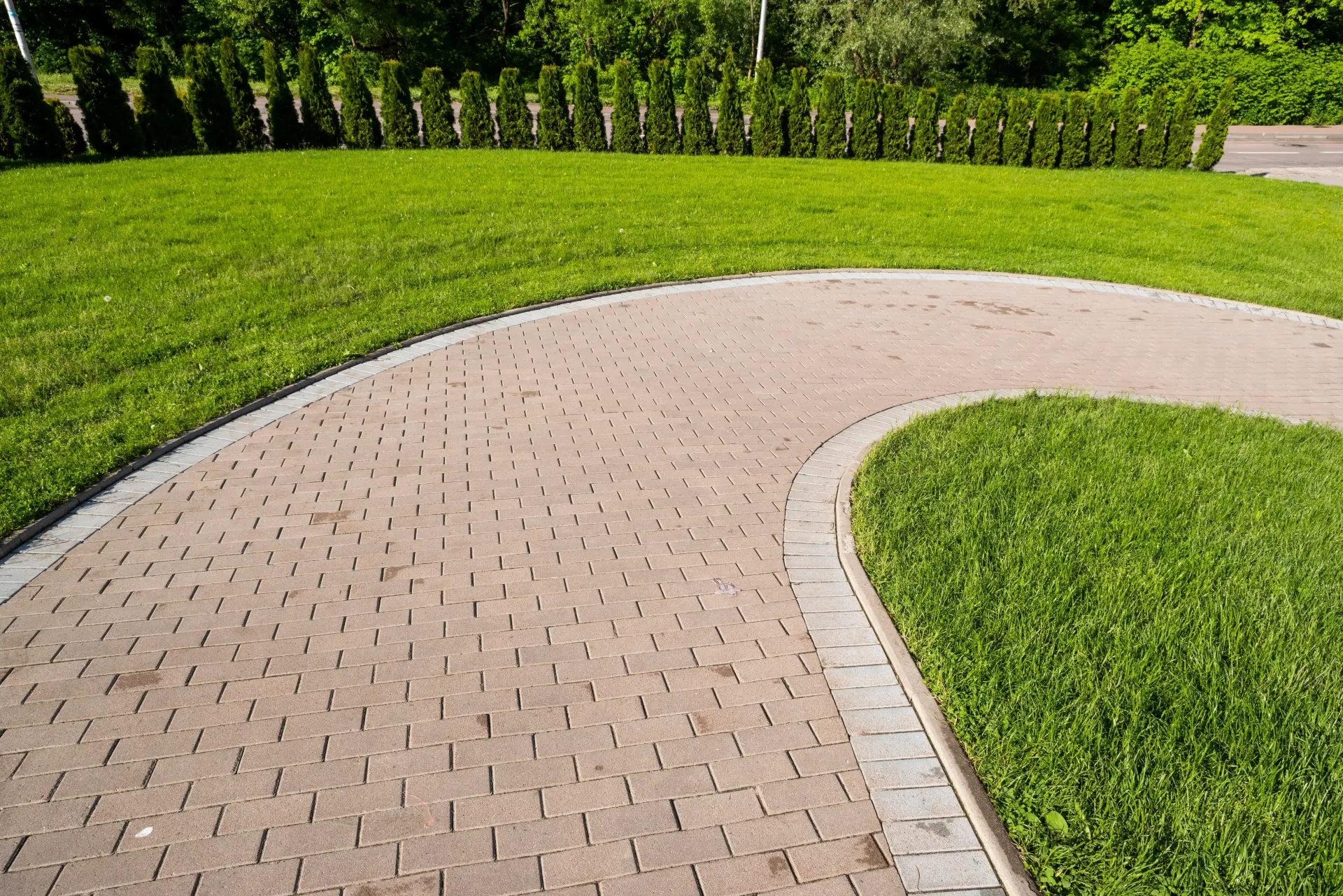
Tired of tracking Illinois mud into your house? Discover how strategic concrete walkways can protect your landscaping, save your carpets, and eliminate "mud highways" in your backyard this spring.
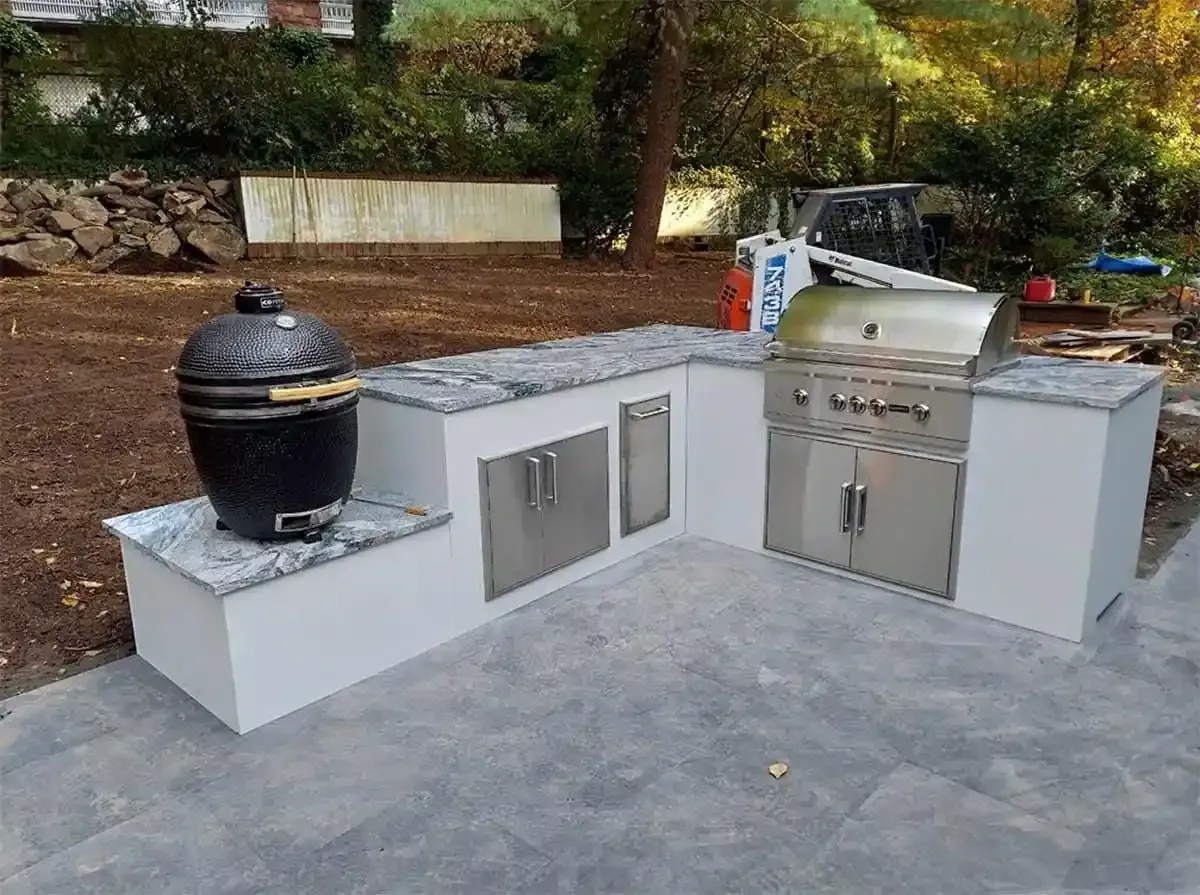
Planning a luxury outdoor kitchen in Champaign, IL? Don’t let a heavy grill sink your stone patio. Learn why a reinforced concrete foundation and proper drainage are the "secret ingredients" to a backyard that lasts.